

Best Nutrients and Foods for Strong and Healthy Bones: A Complete Guide
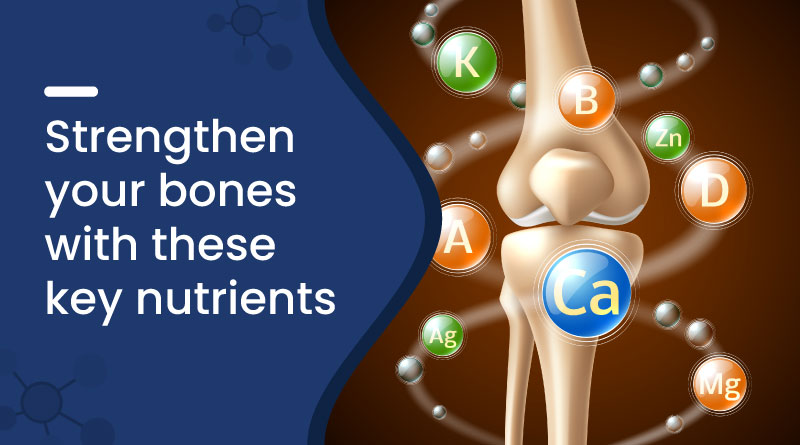
Strong bones are essential for maintaining an active and healthy life at every stage. From childhood to older age, good bone health helps support movement, maintain posture, and protect vital organs. However, bone-related problems such as low bone density, osteoporosis, and fractures are becoming increasingly common.
Factors like poor nutrition, lack of physical activity, hormonal changes, and ageing can gradually weaken bones over time. The good news is that bone health can be supported naturally through proper nutrition, regular exercise, and healthy lifestyle habits.
In this blog, we will explore the key nutrients for strong bones, the best foods that support bone health, and when supplements may be helpful.
Why Bone Health is Important at Every Age
Bone health is important throughout life because bones provide structure to the body, support movement, and protect vital organs. Strong bones also help maintain balance and reduce the risk of fractures and mobility issues.
During childhood and adolescence, the body builds bone mass rapidly, making this stage crucial for developing strong bones. In adulthood, the focus shifts to maintaining bone density through proper nutrition and regular physical activity.
As people age, bone density may gradually decrease, increasing the risk of weak bones and fractures. Maintaining healthy habits, consuming nutrient-rich foods, and ensuring adequate intake of calcium and vitamin D can help support bone strength at every age.
What Do We Understand by Bone Health?
Bone health refers to the strength and density of bones that support the body, protect organs, and help us move easily. Healthy bones are important for maintaining posture, mobility, and overall physical strength.
Bones are living tissues that continuously renew themselves throughout life. They are mainly made of minerals like calcium and phosphorus, along with collagen, a protein that gives bones flexibility and durability.
Proper nutrition, physical activity, and healthy lifestyle habits play an important role in maintaining strong bones.
Also Read: Best Collagen Supplement for Bones in India
How Bones Grow and Change Over Time
Bones grow rapidly during childhood and adolescence, helping build strong bone mass. Most people reach their peak bone density between the ages of 25 and 30.
After this stage, bone formation gradually slows down with age. Factors like nutrition, physical activity, and hormonal changes can influence how bones grow and maintain their strength over time.
Bone Remodelling Process Explained
Bone remodelling is the natural process by which old bone tissue is replaced with new bone tissue. This process helps repair bones and maintain their strength.
Two types of cells are involved in this cycle: osteoclasts, which break down old bone, and osteoblasts, which build new bone. A healthy balance between these processes helps maintain strong and healthy bones.
Factors That Affect Bone Density
The biological process by which new bones replace old ones is known as bone remodelling. Various factors affect bone density and strength.
- Age and Bone Loss: Bone density is reduced with increasing age, as new bones are formed at a slower rate than they are lost.
- Hormonal Changes and Bone Strength: Hormones, such as estrogen and testosterone, play an important role in maintaining strong bones, and changes in their levels can affect bone density.
- Nutrition and Physical Activity: A healthy diet and regular exercise can provide strength to bones, whereas a lack of nutrients and insufficient exercise can reduce bone mass.
Common Signs and Symptoms of Weak Bones
Weak bones often develop slowly and may not show clear symptoms in the early stages. However, as bone density decreases, certain signs may start to appear. Some low bone density symptoms include:
- More bone fractures: Weak bones may fracture easily, even with slight falls or injuries.
- Persistent bone or joint pain: Pain in the bones, such as in the back, hips, and wrists, may also be related to low bone density.
- Loss of height over time: Low density of bones may cause a loss of height over time, as the bones of the spine may weaken.
- Stooped or hunched posture: Weak spinal bones may lead to a curved or bent posture.
- Reduced strength and mobility: People may also experience difficulty in performing their day-to-day activities due to weak bones and joints.
Recognising these signs early can help in taking timely steps to support better bone health.
Who is at Higher Risk of Osteoporosis?
Osteoporosis is a condition where bones become weak due to reduced bone density. While it is more common in older adults, certain people may have a higher risk of developing it.
People who may be at higher risk include:
- Women after menopause due to decreased estrogen levels
- Older adults, especially those over the age of 50
- Individuals with low calcium or vitamin D intake
- People with a family history of osteoporosis
- Those with low body weight or poor nutrition
- People who smoke or consume excessive alcohol
Understanding these risk factors can help individuals take preventive steps early to maintain better bone health.
Key Nutrients for Strong and Healthy Bones
Strong bones rely on a balanced intake of essential nutrients that help maintain bone density and support the natural process of bone formation.
But what are the most important nutrients for bone health? Let’s find out in this section.
Calcium – The Foundation of Bone Strength
Calcium is one of the most vital minerals in the maintenance of bone strength. Almost 99% of the calcium in the body is deposited in the bones and teeth, which maintain their durability and structure. Calcium intake is vital in the development of bones and the reduction of bone density loss with age.
- Helps build and maintain strong bones and teeth.
- Plays a major role in bone structure and density.
- Supports muscle function and nerve signal transmission.
- Important for bone development during growth and ageing.
Vitamin D – Helps Absorb Calcium
Vitamin D plays a crucial role in maintaining bone health because it helps the body absorb calcium from food. Adequate Vitamin D is important for bones because, without it, the body cannot effectively use calcium.
- Helps the body absorb calcium from the food we eat.
- Supports proper bone growth and mineralisation.
- Contributes to maintaining bone strength with age.
- May support overall skeletal health.
Vitamin K – Supports Bone Mineralisation
Vitamin K is another important nutrient that supports bone metabolism. It is beneficial in the activation of certain proteins that are beneficial in the development of healthy bones.
- Supports proteins involved in bone formation.
- Helps in the improvement of the binding of calcium in the bones.
- Helps to improve bone density.
- Involves the metabolism of the bones.
Magnesium – Maintains Bone Density
Magnesium is an important mineral that helps build the framework of the bones and control calcium levels in the body. Magnesium also helps vitamin D perform properly, which is also beneficial for the bones.
- Helps convert vitamin D into its active form.
- Supports bone structure and mineral balance.
- Contributes to proper muscle and nerve function.
- May help maintain healthy bone density.
Phosphorus – Structural Support for Bones
Phosphorus works closely with calcium to build and maintain strong bones and teeth. It is a major part of the composition of the bones and is also a part of the processes that are essential in the growth and production of energy.
- Works with calcium in the strengthening of the bones and the teeth
- Helps in the maintenance of the structure of the bone minerals
- Supports the growth and development of the bones
- Aids in the production of energy
Daily Calcium Requirement by Age
Calcium is one of the most important minerals for maintaining strong bones. The body requires different amounts of calcium at different life stages to support bone growth and maintenance.
General daily calcium requirements include:
|
Age Group |
Recommended Calcium Intake |
|
Children (4–8 years) |
1000 mg per day |
|
Adolescents (9–18 years) |
1300 mg per day |
|
Adults (19–50 years) |
1000 mg per day |
|
Women above 50 years |
1200 mg per day |
|
Men above 70 years |
1200 mg per day |
Meeting these daily requirements through a balanced diet or supplements can help maintain healthy bone density.
Additional Nutrients That Support Bone Strength
In addition to the major minerals and vitamins, other nutrients also have an indirect role to play in the maintenance of healthy bones. These nutrients help in the better structure of bones, the formation of collagen, etc.
- Protein: Helps in the formation of the framework of bones, supports tissue repair and bone maintenance.
- Vitamin C: Supports collagen production, an important component that gives bones flexibility and strength.
- Zinc: Plays a role in bone tissue growth and helps support bone mineralisation.
- Boron: May help the body to better utilise calcium, magnesium, and vitamin D.
- Potassium: Helps in the maintenance of mineral balance in the body. May help in the reduction of calcium loss from bones.
- Omega-3 fatty acids: May help in the maintenance of bone health. Helps in reducing inflammation.
Best Natural Food Sources for Strong Bones
Eating a balanced diet that includes nutrient-rich foods can help support bone strength naturally. Many everyday foods provide essential minerals and vitamins that contribute to maintaining healthy bones.
Including a variety of these foods in daily meals can help provide the nutrients needed to support healthy bones over time.
|
Nutrient |
Natural Food Sources |
|
Calcium |
Milk, yoghurt, cheese, sesame seeds, ragi, almonds, leafy greens like spinach and kale |
|
Vitamin D |
Sunlight exposure, egg yolks, fatty fish (salmon, sardines), fortified milk and cereals |
|
Vitamin K |
Green leafy vegetables such as spinach, broccoli, cabbage, and lettuce |
|
Magnesium |
Nuts, seeds, whole grains, bananas, dark chocolate, and legumes |
|
Phosphorus |
Dairy products, fish, eggs, poultry, nuts, and whole grains |
|
Protein |
Lentils, beans, chickpeas, dairy products, eggs, fish, and lean meat |
|
Vitamin C |
Citrus fruits, oranges, amla, strawberries, guava, tomatoes, and bell peppers |
Lifestyle Habits That Help Strengthen Bones Naturally
Along with proper nutrition, certain daily habits can play an important role in maintaining strong and healthy bones. Adopting a healthy lifestyle can help support bone density and reduce the risk of bone-related issues.
- Exercise regularly: Weight-bearing activities like walking, jogging, and strength training help support bone strength.
- Get enough sunlight: Sun exposure helps the body produce vitamin D for better calcium absorption.
- Eat a balanced diet: Include foods rich in calcium, vitamins, and essential minerals.
- Avoid smoking and excess alcohol: These habits may weaken bones over time.
- Maintain a healthy weight: Balanced body weight helps reduce stress on bones and joints.
Best Exercises for Strong Bones
Regular physical activity plays an important role in maintaining bone strength. Weight-bearing and resistance exercises help stimulate bone formation and improve bone density.
Some of the best exercises for strong bones include:
- Walking and jogging – Helps strengthen bones in the legs and hips
- Strength training – Builds muscle and supports bone density
- Dancing or aerobics – Improves bone strength and balance
- Stair climbing – Strengthens lower body bones
- Yoga and balance exercises – Help improve flexibility and reduce fall risk
Regular exercise, combined with proper nutrition, can significantly contribute to maintaining healthy bones.
How to Improve Bone Density Naturally
Improving bone density naturally involves a combination of proper nutrition, physical activity, and healthy lifestyle habits. Bones require essential nutrients and regular stimulation to remain strong and dense.
Some effective ways to improve bone density include:
- Consume calcium-rich foods such as milk, yoghurt, leafy greens, and almonds.
- Get enough vitamin D through sunlight exposure and fortified foods.
- Perform weight-bearing exercises like walking, jogging, and strength training.
- Maintain a balanced diet with magnesium, phosphorus, and protein.
- Avoid smoking and excessive alcohol, as they may weaken bones.
Adopting these habits early can help maintain stronger bones and reduce the risk of bone loss with age.
Foods and Habits That Can Weaken Bones
There are certain dietary habits that may gradually influence the strength of the bones, leading to decreased bone density. Being aware of these factors will help in maintaining the health of the bones.
- Excess salt intake: Increased salt in the diet may increase the loss of calcium in the body.
- Too much caffeine: Excessive quantities of caffeine may slightly decrease the absorption of calcium.
- Sugary soft drinks: Frequent consumption may negatively affect bone mineral balance.
- Low calcium diet: Inadequate quantities of calcium may weaken the structure of the bones.
- Lack of physical activity: A sedentary lifestyle may lead to gradual bone loss.
- Smoking and excessive alcohol: These habits can interfere with bone formation and strength.
Bone Health Needs at Different Life Stages
Bone health needs change throughout life. Proper nutrition, physical activity, and healthy habits at each stage can help support stronger bones and reduce the risk of bone-related problems.
|
Life Stage |
Bone Health Focus |
|
Childhood and Adolescence |
Bones grow rapidly during this stage. Adequate calcium, vitamin D, and physical activity help build strong bone mass. |
|
Adulthood |
The focus is on maintaining bone density through balanced nutrition, regular exercise, and healthy lifestyle habits. |
|
Postmenopausal Women |
Hormonal changes, especially reduced estrogen levels, may lead to faster bone loss. Adequate calcium, vitamin D, and regular activity are important for supporting bone strength. |
|
Older Adults |
Bone density may gradually decrease with age. Proper nutrition, sunlight exposure, and staying physically active can help support bone health and reduce fracture risk. |
Best Calcium and Vitamin D Supplements for Bone Health from Zeelab Pharmacy
Supplementation may be considered when dietary intake is inadequate, during ageing, after menopause, in cases of vitamin D deficiency, or when certain medical conditions affect nutrient absorption and bone health.
Here are some of the best calcium and vitamin D supplement recommendations from Zeelab Pharmacy.
Calvirich Calcium 500 Tablet
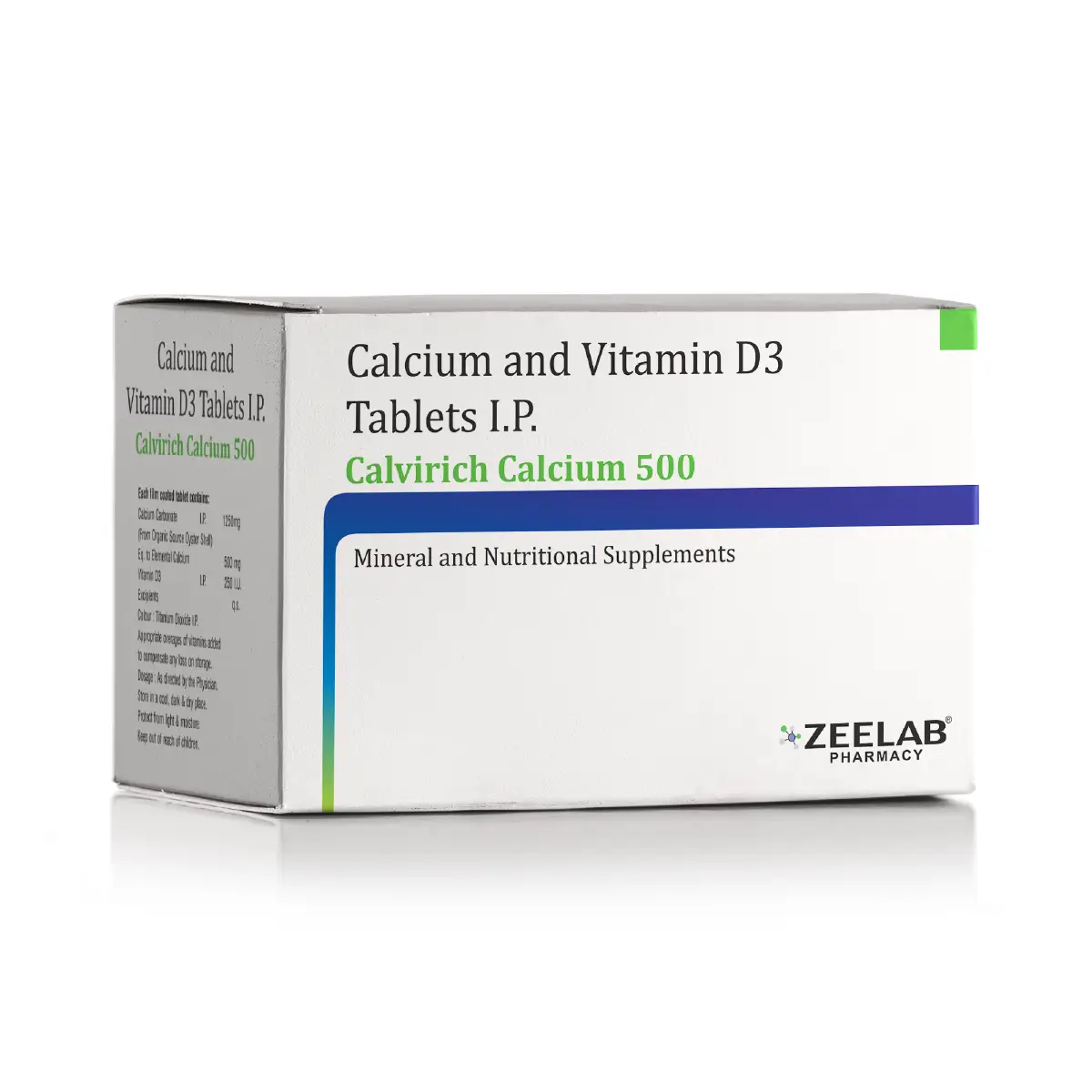
Calvirich is one of the commonly used Calcium Tablets for bone Strength, combining calcium and vitamin D3 to support bone density and improve calcium absorption.
- Composition: Calcium Carbonate (1250 mg equivalent to Elemental Calcium 500 mg) + Vitamin D3 (250 I.U)
- Benefits: Supports bone strength, improves calcium absorption, maintains teeth health, and helps manage calcium deficiency.
Calvirich Orotate 500 Tablet
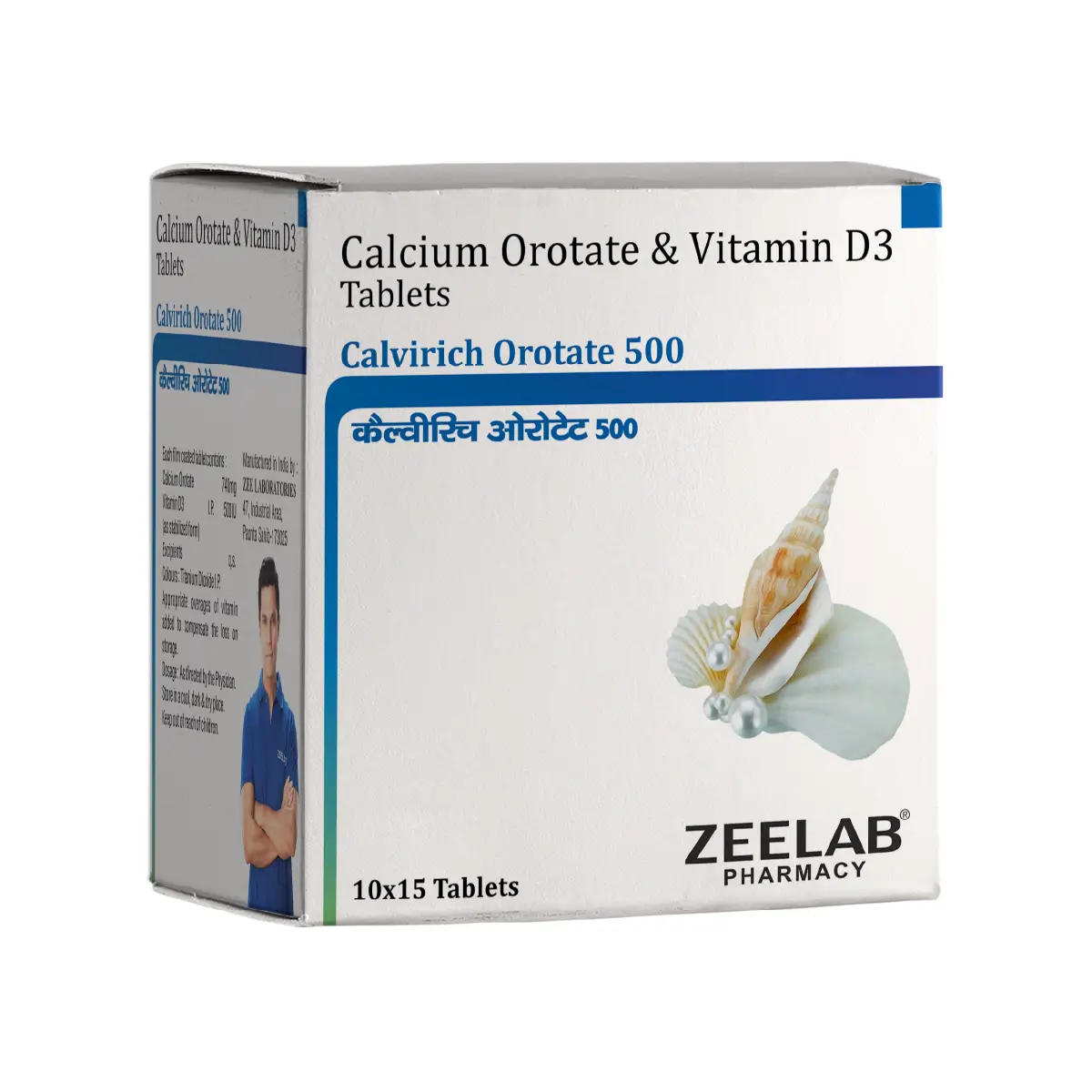
Calvirich Orotate 500 Tablet is a calcium and vitamin D3 supplement that makes bones strong and supports better calcium absorption for maintaining healthy bone density.
- Composition: Calcium Orotate (740 mg) + Vitamin D3 (500 IU)
- Benefits: Supports bone strength, improves calcium absorption, helps maintain bone density, and supports overall skeletal health.
Calvirich Calcium Drops
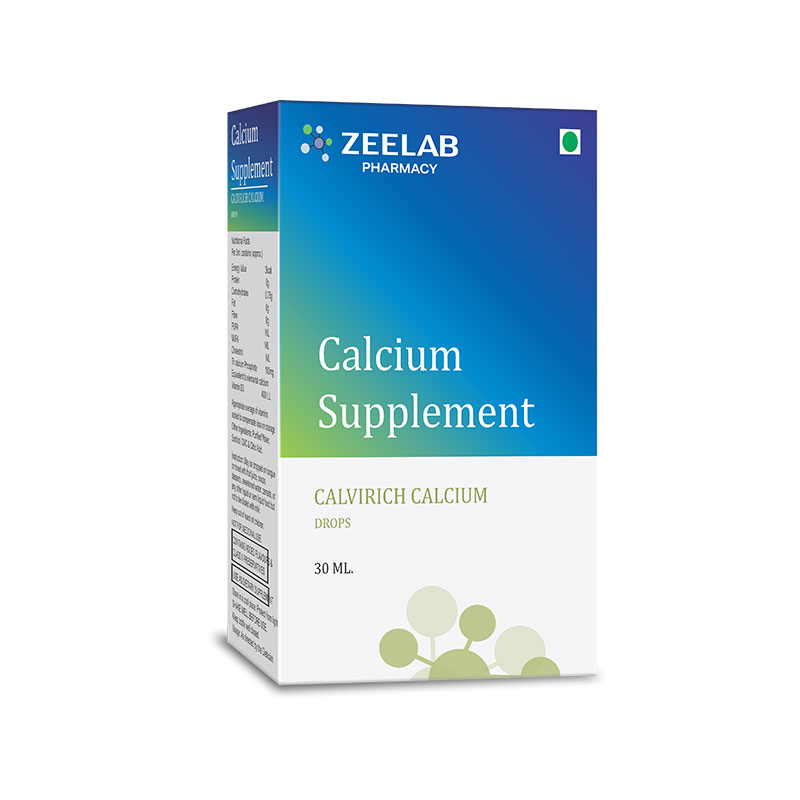
Calvirich Calcium Drops contain calcium and vitamin D3 that help strengthen bones naturally and support healthy bone growth and calcium absorption.
- Composition: Calcium (100 mg) + Vitamin D3 (400 IU)
- Benefits: Supports bone growth, improves calcium absorption, and maintains healthy bones, teeth, and muscles.
Travocal F Tablet
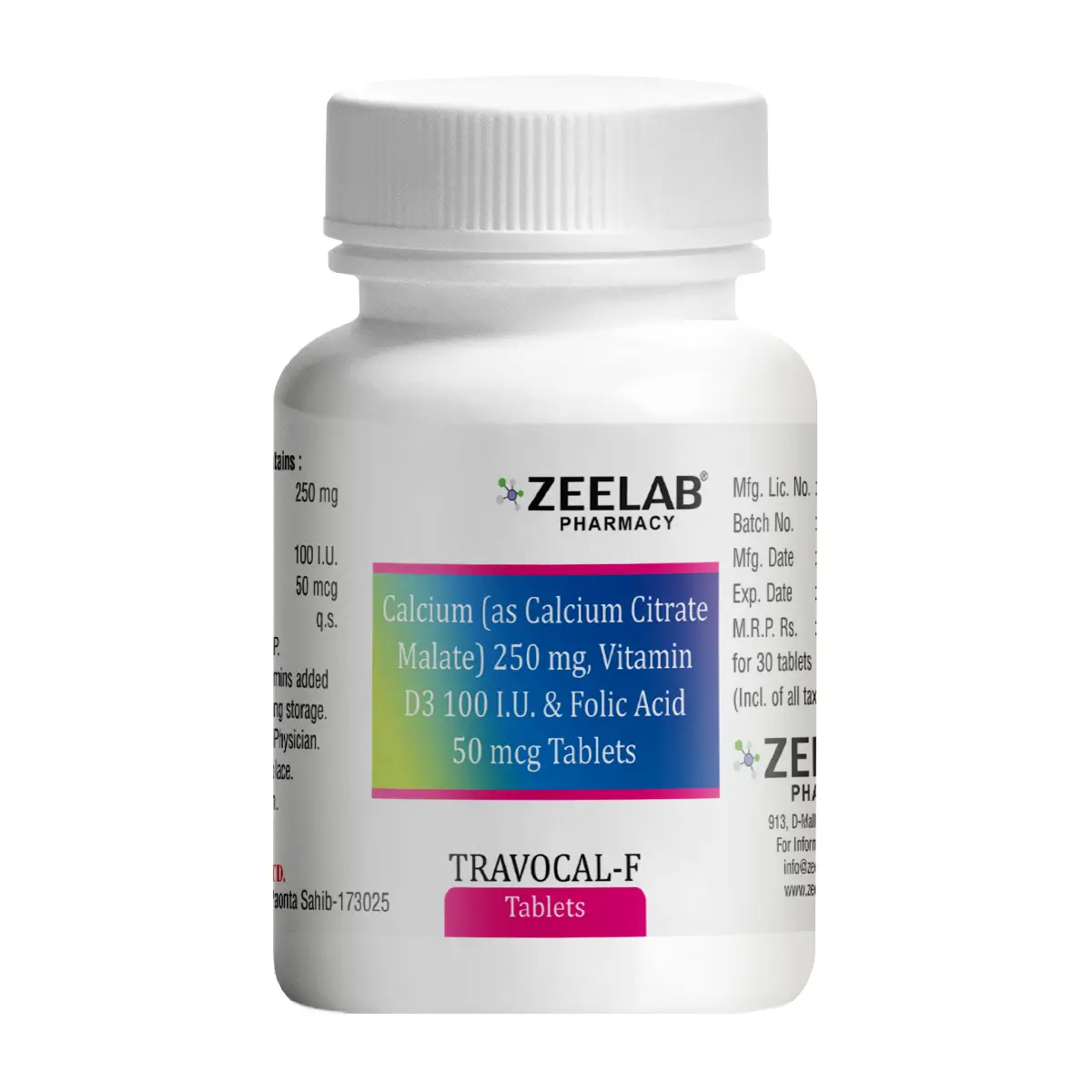
Travocal F Tablet contains calcium citrate malate, vitamin D3, and folic acid that help increase bone mass and support calcium absorption for maintaining healthy bones.
- Composition: Elemental Calcium ( As Calcium Citrate Malate) (250mg) + Vitamin D3 100 IU + Folic Acid (50mcg)
- Benefits: Supports bone strength, improves calcium absorption, and helps manage calcium deficiency and bone health.
Calvirich 123 Tablet
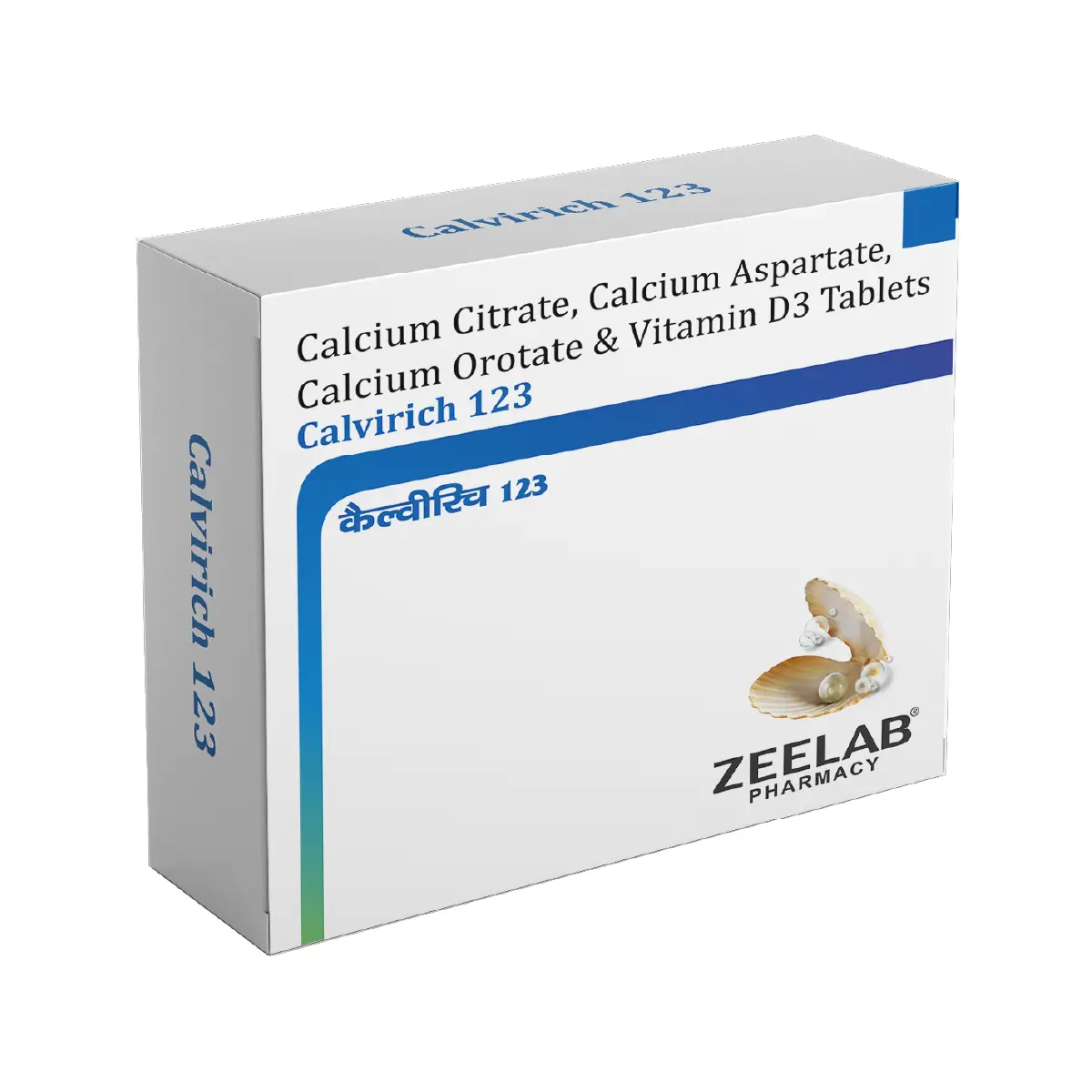
Calvirich 123 Tablet provides vitamins and minerals for bone health, combining multiple calcium sources and vitamin D3 to support bone strength and calcium absorption.
- Composition: Calcium Citrate (750mg) + Calcium Aspartate (500mg) + Calcium Orotate (100mg) + Vitamin D3 (500iu)
- Benefits: Supports bone density, improves calcium absorption, maintains strong bones and healthy joints.
When Should You Consider Bone Health Supplements?
While many nutrients for bone health can be obtained from a balanced diet, supplements may be helpful when dietary intake is insufficient.
Bone health supplements may be considered in situations such as:
- Calcium or vitamin D deficiency
- Age-related bone loss
- Postmenopausal women
- Limited sunlight exposure
- Poor nutrient absorption due to certain health conditions
- Increased nutritional needs during pregnancy or ageing
Supplements containing calcium, vitamin D, and other essential minerals can help support bone density and overall skeletal health when used appropriately.
Common Myths and Facts About Bone Health
Many people have misconceptions about bone health that may prevent them from taking the right steps to protect their bones. Understanding the facts can help support better bone care and prevention.
|
Myth |
Fact |
|
Bone problems affect only older people. |
Bone health matters at every age. |
|
Calcium alone is enough for strong bones. |
Bones also need vitamin D, magnesium, and other nutrients. |
|
No pain means bones are healthy. |
Bone loss can develop silently. |
|
Exercise doesn’t affect bones. |
Regular activity helps maintain bone density. |
|
Milk alone keeps bones strong. |
A balanced diet and healthy lifestyle are also important. |
Conclusion
Bones have to remain healthy for the proper functioning of the body, an active lifestyle, and for the maintenance of good health. While ageing and hormonal changes can affect bone density, adopting healthy habits and proper nutrition can make a significant difference.
Strengthening bones naturally is possible by consuming nutrient-rich foods, staying physically active, and ensuring adequate intake of essential minerals and vitamins for strong bones, such as calcium, vitamin D, and magnesium.
Paying attention to bone health early in life and maintaining these habits consistently can help support better bone strength and reduce the risk of bone-related problems in the future.
Frequently Asked Questions
Q. What nutrients help strengthen bones naturally?
A. Key nutrients for strengthening bones naturally include calcium, vitamin D, magnesium, phosphorus, and vitamin K. These nutrients support bone formation, improve calcium absorption, and help maintain bone density for stronger and healthier bones.
Q. How to increase bone density naturally?
A. Bone density can be supported naturally through a calcium-rich diet, adequate vitamin D intake, regular exercise, sunlight exposure, and maintaining a healthy lifestyle with balanced nutrition.
Q. Why is bone health important at every age?
A. Bone health is important at every age because bones support movement, protect organs, and maintain body structure. Strong bones help reduce the risk of fractures and mobility problems later in life.
Q. Can too much magnesium cause osteoporosis?
A. Excess magnesium from supplements may interfere with the balance of calcium and other minerals in the body. Maintaining a balanced intake of magnesium and calcium is important for supporting healthy bone density.
Q. How does calcium help strengthen bones?
A. Calcium is a key mineral that forms the main structure of bones and teeth. It helps maintain bone density, supports bone development, and plays an important role in keeping bones strong.
Q. Are natural supplements helpful for bone health?
A. Natural supplements may help support bone health when dietary intake of nutrients like calcium or vitamin D is insufficient. They can assist in maintaining proper nutrient levels for stronger bones.
Q. How does ageing affect bone strength?
A. With ageing, bone formation slows down while bone loss may increase. This gradual change can reduce bone density and make bones more fragile over time.
Q. Can exercise help strengthen bones naturally?
A. Yes, regular weight-bearing exercises like walking, jogging, and strength training help stimulate bone formation. Physical activity can improve bone density and support stronger bones over time.
Q. How long does it take to build bone density?
A. Improving bone density is a gradual process that may take several months to years. Consistent intake of bone-supporting nutrients, regular exercise, and healthy lifestyle habits help support bone strength over time.
Q. Can I increase bone density after 30?
A. Yes, bone density can still be supported after 30 through proper nutrition, weight-bearing exercise, adequate vitamin D, and a healthy lifestyle that helps maintain bone strength and reduce further bone loss.
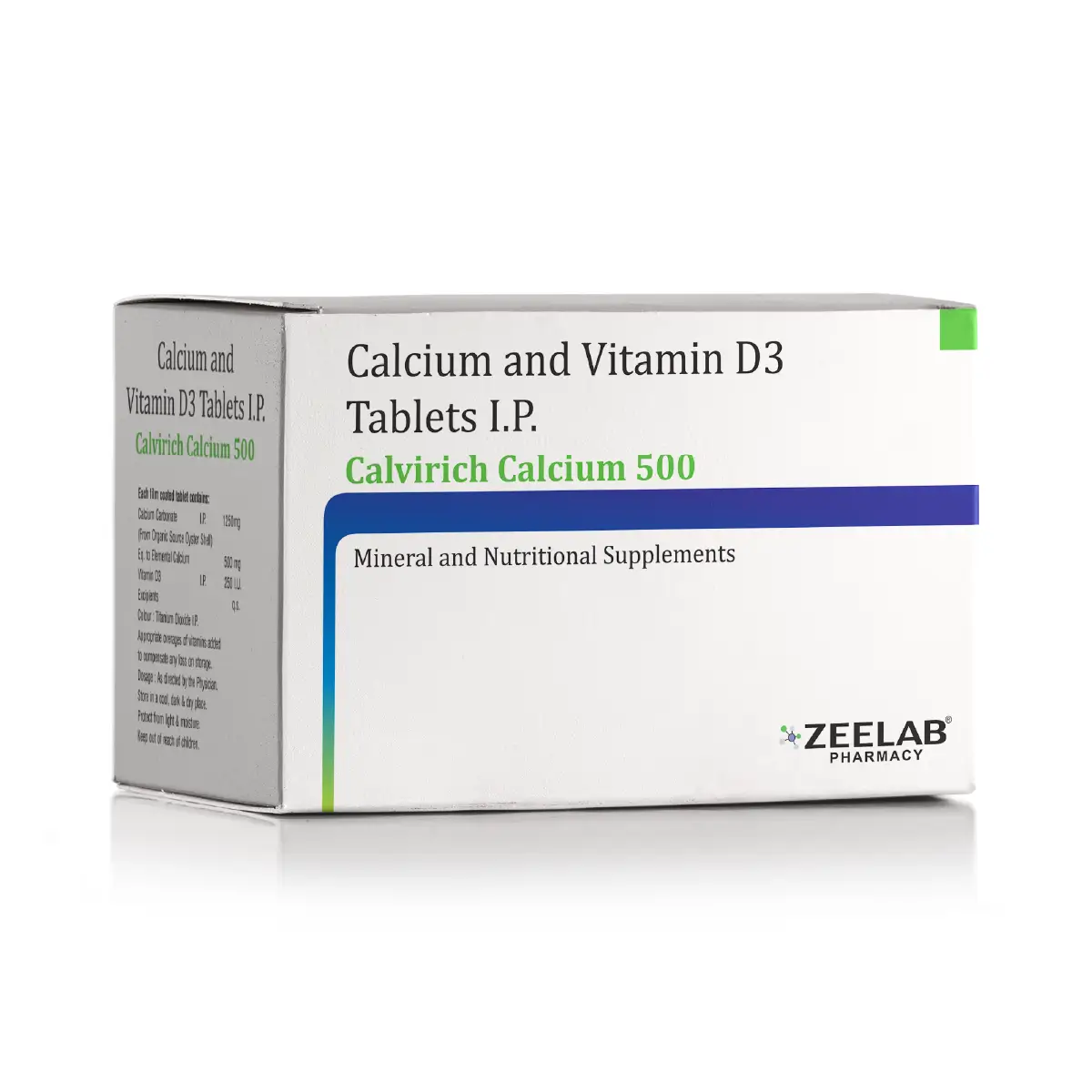
Calcium Carbonate (1250 mg equivalent to Elemental Calcium 500 mg) + Vitamin D3 (250 I.U)
15 Tablets In 1 Strip
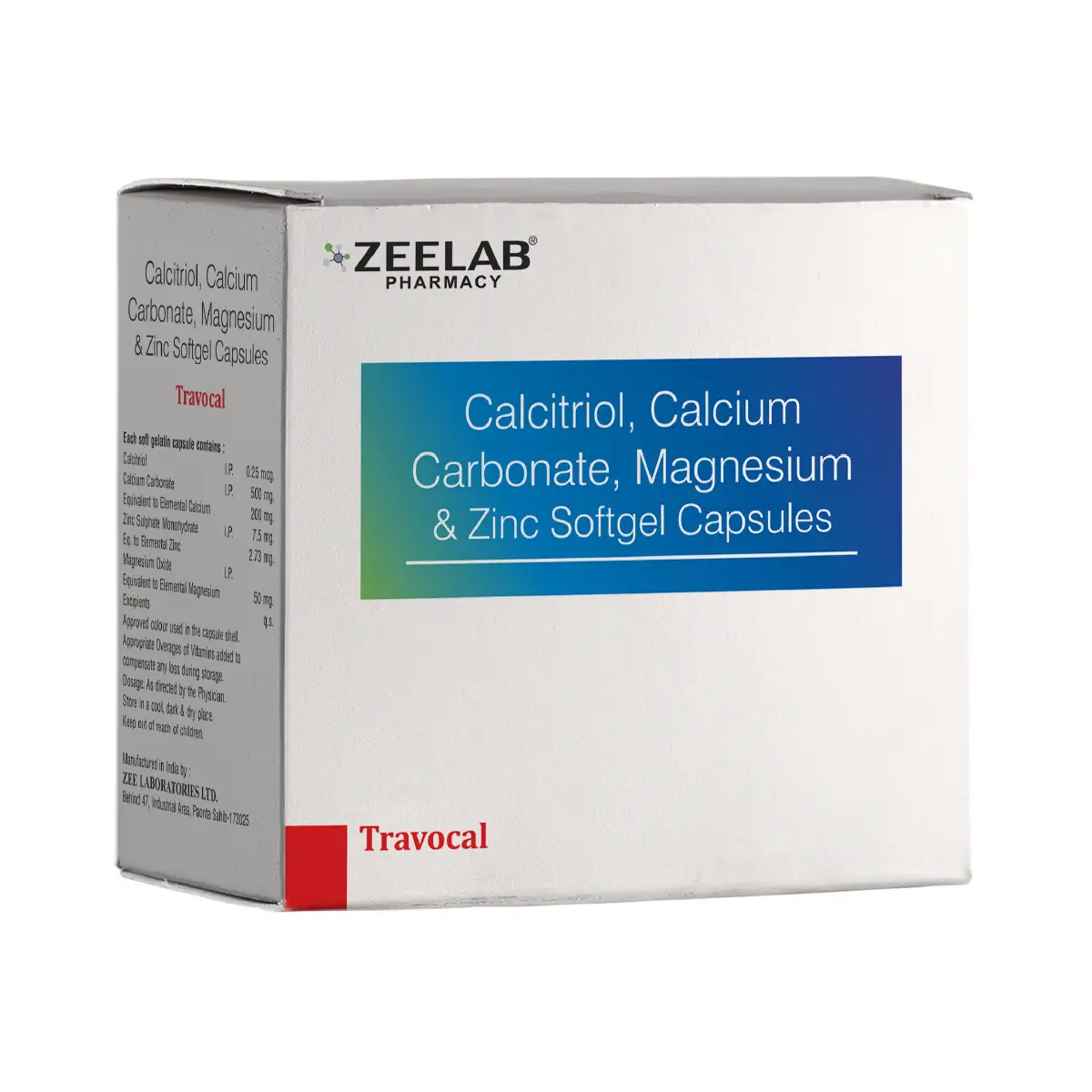
Calcitriol (0.25mcg) + Calcium Carbonate (500mg) + Zinc (7.5mg) + Magnesium (50mg)
10 Capsules In 1 Strip
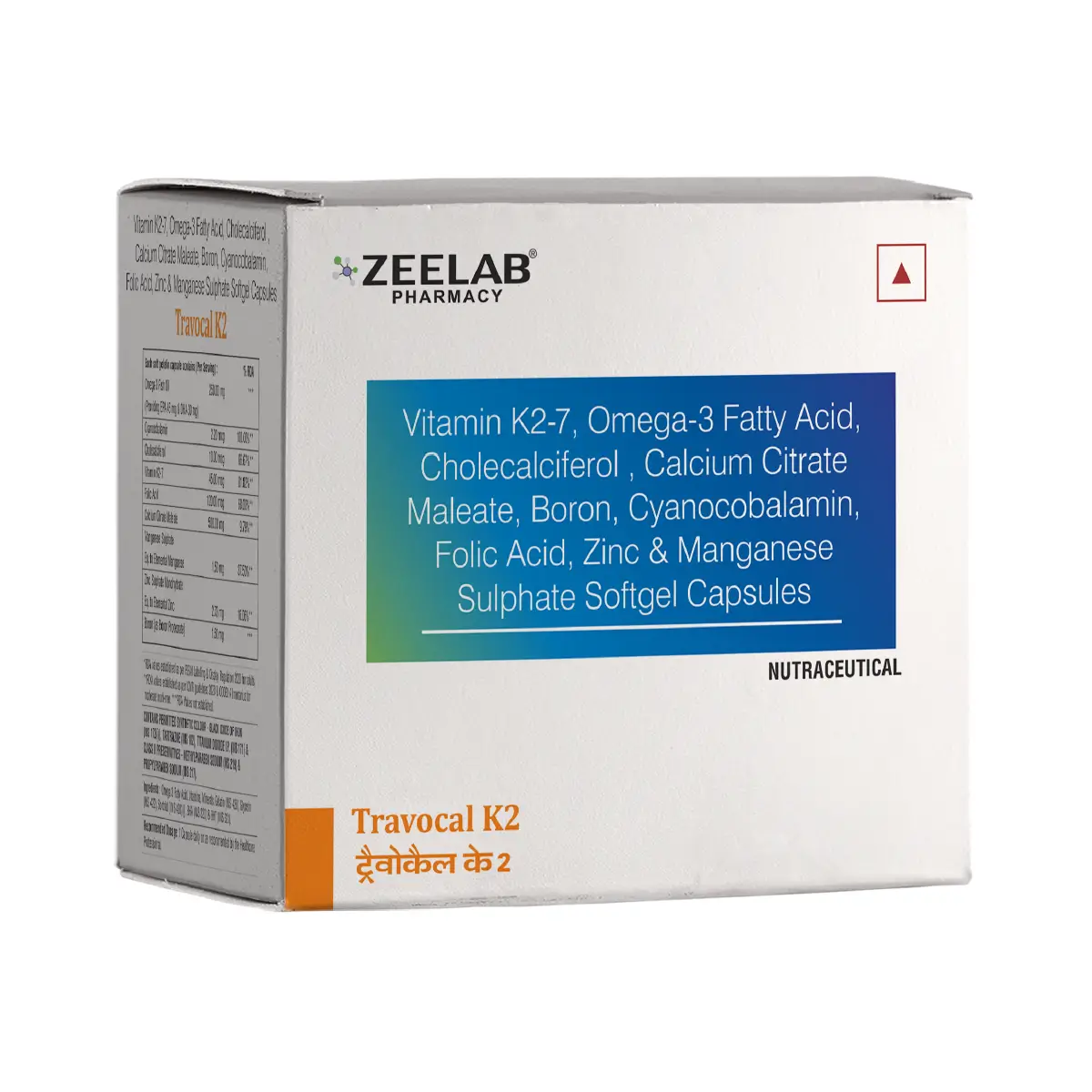
Omega-3 Fish Oil (250mg) (Providing EPA 45mg & DHA 30mg) + Cyanocobalamin (2.20mcg) + Cholecalciferol (10mcg) + Vitamin K2-7 (45mcg) + Folic Acid (120mcg) + Calcium Citrate Maleate (500mg) + Manganese Sulphate (Eq. to Elemental Manganese 1.50mg) + Zinc Sulphate Monohydrate (Eq. to Elemental Zinc 2.73mg) + Boron (as Boron Proteonate 1.50mg)
10 Capsules In 1 Strip
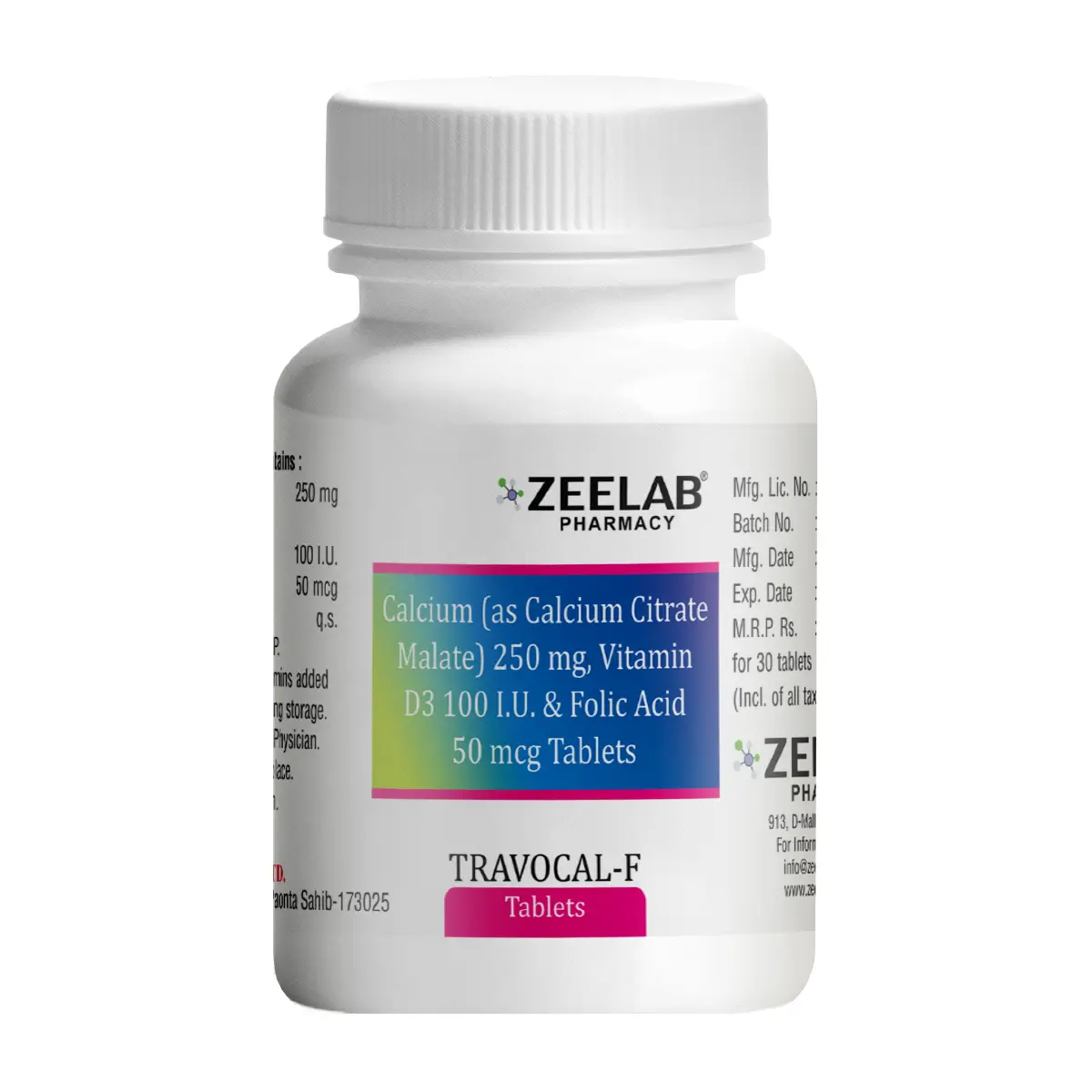
Elemental Calcium ( As Calcium Citrate Malate) (250mg) + Vitamin D3 100 IU + Folic Acid (50mcg)
30 Tablets In 1 Jar
Recent Blogs






Disclaimer : Zeelab Pharmacy provides health information for knowledge only. Do not self-medicate. Always consult a qualified doctor before starting, stopping, or changing any medicine or treatment.
Related Products


₹ 0
0
Items added
Quick Links
Categories
Our Policies

Our Socials


Subscribe

2026 Copyright By © Zeelab Pharmacy Private Limited. All Rights Reserved
Our Payment Partners

 Added!