

Magnesium for Sleep: A Complete Guide to Benefits, Dosage & Best Supplements
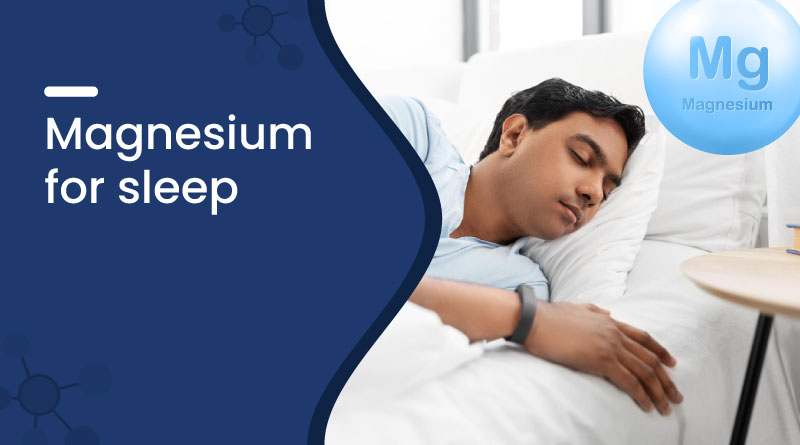
Sleep disorders are highly prevalent today, with studies showing that around 20%–40% of older adults experience sleep-related issues. Stress, lack of regularity in daily activities, and unhealthy eating habits are some common reasons for sleep problems.
As a result, people are experiencing fatigue, lack of concentration, and poor well-being.
People often talk about their sleep problems to find a solution, but they don't know that there is one mineral that acts as a sleep aid.
That mineral is Magnesium. It helps regulate the nervous system and produce hormones responsible for sleep and wake cycles in humans.
If you also experience insomnia and mild sleep issues, magnesium supplements may help you overcome them. Let's read in detail the benefits of taking magnesium at night.
What is Magnesium?
Magnesium is a vital mineral necessary for the body’s functions and general health. It is useful in relaxing muscles, facilitating nerve function, and supporting energy production in the body’s cells.
It is also useful in regulating neurotransmitters that influence mood, stress levels, and sleep cycles, enabling the body to relax and sleep soundly. However, magnesium deficiency is common today due to poor dietary habits and lifestyle factors.
How Does Magnesium Help Improve Sleep?
Taking magnesium before bed is often recommended as a natural way to improve sleep quality. This essential mineral helps the body relax both mentally and physically, making it easier to fall asleep and stay asleep throughout the night.
- Supports Melatonin Production: Magnesium is used in sleep supplements because it helps regulate melatonin, a hormone that controls the sleep-wake cycle.
- Calms the Nervous System: Magnesium makes the nervous system function in the right way, including the release of neurotransmitters (GABA). GABA helps your body relax and get ready for a good night's sleep.
- Reduces Stress and Anxiety: Magnesium reduces anxiety and stress naturally by regulating hormone levels associated with stress, helping lower the chances of disturbed sleep.
- Relaxes Muscles: Magnesium also promotes quality sleep by aiding muscle relaxation, thus reducing cramps, restlessness, and physical discomfort.
Signs of Magnesium Deficiency That Affect Sleep
Magnesium levels and sleep quality go hand-in-hand. Magnesium deficiency can result in poor sleep quality, restlessness, and fatigue. Recognising early signs can help in improving sleep and overall well-being.
- Difficulty in Falling Asleep: Trouble sleeping at night and waking up too frequently at night.
- Restless sleep: Feeling uneasy and unable to stay still when trying to fall asleep.
- Muscle cramps or twitching: Night-time leg cramps or muscle spasms that disturb sleep.
- Increased stress and anxiety: Experiencing high levels of nervousness that make it difficult to relax before bed.
- Fatigue despite sleep: Waking up tired even after having a full night’s sleep.
- Irritability or mood changes: Poor sleep quality can affect your mood and emotions.
Best Types of Magnesium for Better Sleep: Comparison Guide
Many different types of magnesium may be more or less effective in terms of absorption and utilisation in the body, but which type of magnesium is best for sleep?
Thus, selecting the appropriate form may play a vital role in promoting relaxation and improving sleep quality.
|
Type of Magnesium |
Key Benefits |
Best For |
|
Magnesium Glycinate |
Well absorbed and promotes relaxation and a calming effect on the brain |
Improves the quality of sleep and relieves anxiety |
|
Magnesium Citrate |
Well absorbed and promotes muscle and digestive tract relaxation |
Occasional sleep difficulties and constipation |
|
Magnesium Oxide |
Poor absorption, and is generally used for supplementation |
Mild deficiency, but less effective for sleep |
|
Magnesium L-Threonate |
Supports brain functions and is well absorbed through the blood-brain barrier |
Enhances the quality of sleep and brain relaxation |
Best Magnesium Supplements Recommendation for Sleep Zeelab Pharmacy
If your daily dietary intake is low in magnesium, taking a magnesium supplement can help bridge the gap and improve your sleep.
Magnesium sleep supplements, commonly containing Magnesium Glycinate or Magnesium Citrate, can help induce relaxation, ease restlessness, and improve sleep quality.
Zeelab ZMA Tablet

Zeelab ZMA 90 Tablets are magnesium tablets for sleep that combine zinc and vitamin B6 to promote relaxation, recovery, and sleep quality.
- Composition: Zinc + Magnesium Aspartate + L-Lysine + Vitamin B6
- Benefits: Supports sleep quality, muscle recovery, reduces fatigue, and promotes overall energy balance.
Recommended Magnesium Dosage for Sleep
Appropriate levels of magnesium intake can promote relaxation and enhance sleep quality. Although individuals may have different needs, general recommendations for daily intake vary by age and gender.
|
Category |
Recommended Daily Intake |
|
Adult Men |
400–420 mg per day |
|
Adult Women |
310–320 mg per day |
For sleep, magnesium can be taken in the evening after meals and usually 30 to 60 minutes before bedtime. However, it is important to avoid overusing the supplement because it may cause stomach upset.
Also Read: Best Vitamins and Minerals for Better Sleep Naturally
How Long Does Magnesium Take to Work for Sleep?
Magnesium does not work instantly like some sleep medications, but it can start showing effects within a few days to a week of regular use. For some people, improved relaxation and better sleep may be noticeable even after the first few doses.
However, the full benefits of magnesium for sleep—such as reduced anxiety, improved sleep quality, and fewer night awakenings—typically become more consistent after 2 to 3 weeks of daily intake.
The effectiveness depends on factors like:
- Your current magnesium levels
- The type of magnesium used (e.g., glycinate works faster for sleep)
- Overall diet and lifestyle habits
For best results, take magnesium 30–60 minutes before bedtime and maintain a consistent sleep routine.
Magnesium-Rich Foods That Help You Sleep Naturally
A balanced diet plays an important role in maintaining adequate magnesium levels, supporting overall health and highlighting magnesium's role in sleep. Including natural sources in daily meals can help improve relaxation and sleep quality.
- Green leafy vegetables (spinach, kale)
- Nuts (almonds, cashews)
- Seeds (pumpkin seeds, chia seeds)
- Whole grains (brown rice, oats)
- Legumes (beans, lentils)
- Bananas
- Avocados
- Dark chocolate
- Dairy products (milk, yoghurt)
- Fish (salmon, mackerel)
Side Effects of Magnesium Supplements
Even if you are taking the best magnesium supplement available in the market, it will be helpful only when taken in the recommended dosage. Excessive intake may lead to certain side effects.
- Digestive discomfort: High doses may cause diarrhoea, nausea, or abdominal cramps.
- Nausea: Taking magnesium on an empty stomach may lead to mild nausea in some cases.
- Low blood pressure: Excess magnesium can sometimes cause a drop in blood pressure, leading to dizziness or weakness.
- Drowsiness or lethargy: Overconsumption may lead to excessive relaxation or fatigue.
- Irregular heartbeat: Very high levels may affect heart rhythm in rare cases.
Who Should Avoid Magnesium Supplements?
Magnesium supplements are generally safe for most people, but certain individuals should use caution or avoid them unless advised by a healthcare professional. This helps prevent unwanted side effects or potential complications.
- People with kidney disorders: Reduced kidney function may lead to difficulty eliminating excess magnesium, increasing the risk of buildup in the body.
- Individuals on specific medications: Magnesium can interact with antibiotics, diuretics, and medications for heart conditions, affecting their effectiveness.
- Those with gastrointestinal disorders: Conditions like chronic diarrhoea or malabsorption may worsen with magnesium supplements.
- Pregnant or breastfeeding women (without medical advice): Although magnesium is important, supplementation should only be taken under professional guidance.
Also Read: Ayurvedic Medicine for Restful Sleep
Proven Tips to Improve Sleep Naturally Along with Magnesium
In addition to taking Magnesium supplements to improve sleep, you can also adopt healthy lifestyle practices that enhance sleep quality and restore a good sleep cycle naturally.
- Go to bed and wake up at the same time every day to maintain a healthy sleep routine.
- Avoid using mobile phones, laptops, or watching TV for at least an hour before bedtime.
- Follow a relaxing bedtime routine, such as reading, light stretching, or deep breathing.
- Avoid tea, coffee, or other caffeinated drinks in the evening hours.
- Keep your bedroom cool, dark, and quiet for a comfortable sleeping environment.
- Try to relax your mind by reducing stress and avoiding overthinking at night.
Conclusion
Magnesium plays a vital role in supporting relaxation, regulating the nervous system, and improving overall sleep quality. From helping manage stress and muscle tension to promoting healthy sleep cycles, it can be a simple yet effective addition to your routine.
While magnesium supplements may benefit those with mild sleep disturbances or insomnia, it is equally important to maintain a balanced diet and healthy lifestyle habits.
Understanding the right dosage, sources, and precautions can help you use magnesium safely and effectively for better, more restful sleep.
Frequently Asked Questions
Q. How does magnesium help improve sleep quality?
A. Magnesium helps improve sleep quality by calming the nervous system, supporting melatonin production, and regulating neurotransmitters. It promotes muscle relaxation and reduces stress, making it easier to fall asleep and stay asleep comfortably.
Q. Can magnesium reduce anxiety and improve sleep?
A. Magnesium helps regulate stress hormones and supports neurotransmitters that calm the mind. This can reduce anxiety levels and make it easier to relax, improving overall sleep quality and duration.
Q. Can magnesium cure insomnia?
A. Magnesium may help manage mild insomnia by promoting relaxation and reducing stress. However, it is not a cure and works best when combined with healthy sleep habits and lifestyle changes.
Q. Magnesium vs Melatonin: Which is Better for Sleep?
A. Magnesium supports relaxation and sleep quality, while melatonin helps regulate sleep timing. Both can be effective depending on your sleep issue.
Q. What is the best magnesium for better sleep quality?
A. Magnesium glycinate Supplement is often considered the best option for sleep due to its high absorption and calming effects. Magnesium L-threonate may also support brain function and improve overall sleep quality in some individuals.
Q. What Is the Best Time to Take Magnesium for Sleep?
A. Magnesium is usually taken 30 to 60 minutes before bedtime. Taking it in the evening after meals can help the body relax and prepare for a more restful and uninterrupted sleep.
Q. Is it good to take magnesium before bed every night?
A. It can be good to take magnesium for better sleep quality before going to bed every night, as it helps relax the body and mind. However, it should be taken within recommended doses and under medical advice if needed.
Q. Can You Take Magnesium with Other Sleep Supplements?
A. Yes, magnesium can be taken with other sleep supplements like melatonin or multivitamins, but it’s best to consult a doctor to avoid interactions.
Q. Is Magnesium Safe for Long-Term Use?
A. Magnesium is generally safe for long-term use when taken in recommended doses, but excessive intake may cause side effects.
Q. Does magnesium help with restless legs at night?
A. Magnesium may help reduce muscle cramps and restlessness, which can ease symptoms of restless legs at night. This can improve comfort and promote better sleep in some individuals.
Q. What foods are rich in magnesium for sleep?
A. Foods like spinach, almonds, pumpkin seeds, bananas, whole grains, and dark chocolate are rich in magnesium. Including these in your diet can help support better sleep and relaxation.
Q. Are there any side effects of taking excessive magnesium for sleep?
A. Excessive magnesium intake may cause side effects such as diarrhoea, nausea, stomach cramps, and low blood pressure. In severe cases, it may lead to irregular heartbeat or magnesium imbalance, especially in people with kidney issues.
Q. Who should avoid magnesium supplements?
A. People with kidney problems, those taking certain medications, or individuals with existing high magnesium levels should avoid supplements unless advised by a healthcare professional to prevent complications.

Magnesium (Dibasic Magnesium Aspartate) 440 mg + Zinc (Zinc Oxide) 17 mg + L-Lysine 16 mg + Vitamin B6 (Pyridoxine Hydrochloride) 2.4 mg
90 Tablets Per Bottle
Recent Blogs






Disclaimer : Zeelab Pharmacy provides health information for knowledge only. Do not self-medicate. Always consult a qualified doctor before starting, stopping, or changing any medicine or treatment.
Related Products


₹ 0
0
Items added
Quick Links
Categories
Our Policies

Our Socials


Subscribe

2026 Copyright By © Zeelab Pharmacy Private Limited. All Rights Reserved
Our Payment Partners

 Added!