

5 Simple Ways to Increase Blood Pressure Naturally at Home: A Complete Guide
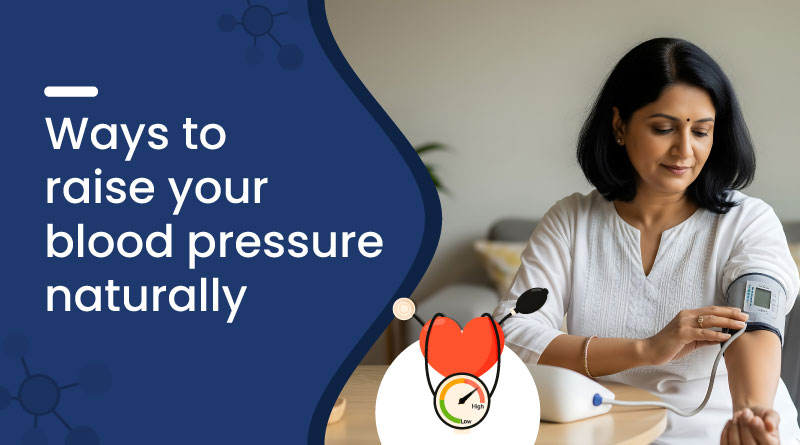
Do you often feel very tired or dizzy when standing up? It might be a sign of low blood pressure (hypotension), meaning the blood is flowing at a pressure below normal.
Maintaining a healthy blood pressure is crucial for the proper functioning of vital organs like the brain, heart, and kidneys. Dropping of BP once in a while is not serious, but in some cases, low blood pressure may lead to dizziness, fatigue, blurry vision, fainting, and reduced blood flow to various organs.
If you don't address such symptoms at the earliest, they can affect your day-to-day activities and may be a sign of a problem.
In this blog, we will discuss why low BP occurs, the top ways to raise it, and what to eat for low BP.
What is Low Blood Pressure (Hypotension)?
Low blood pressure (hypotension) is a condition in which blood pressure falls below 90/60 mmHg, leading to reduced blood flow to vital organs like the brain and heart.
A normal blood pressure reading is around 120/80 mmHg. While occasional drops may not be serious, persistently low levels can affect overall body function and cause symptoms like dizziness and fatigue.
Common Symptoms of Low Blood Pressure
The symptoms of hypotension or low blood pressure depend on the severity and the rate at which the blood pressure falls. The common symptoms include:
- Dizziness or lightheadedness, especially when standing up suddenly (orthostatic hypotension)
- Fainting (syncope)
- Blurred or dim vision
- Nausea
- Fatigue or weakness
- Cold, clammy, or pale skin
- Rapid, shallow breathing
- Difficulty concentrating or confusion
Also Read: Benefits of Magnesium for Blood Pressure
Causes of Low Blood Pressure
When blood pressure is lower than normal, it is called hypotension. There are various causes of low blood pressure, including certain medical problems, medications, and lifestyle factors.
|
Category |
Possible Causes |
Common Symptoms |
|
Dehydration |
Vomiting, diarrhoea, excessive sweating, inadequate fluid intake |
Dizziness, fatigue, thirst, dry mouth |
|
Heart-Related |
Bradycardia, heart failure, heart attack, heart valve problems |
Fatigue, shortness of breath, chest pain, palpitations |
|
Endocrine Disorders |
Addison’s disease, hypothyroidism, hyperthyroidism, and low blood sugar |
Weakness, fatigue, dizziness, weight loss |
|
Blood Loss |
Internal or external bleeding |
Weakness, pallor, rapid heartbeat |
|
Severe Infection (Sepsis) |
Bacterial infection causing systemic inflammation |
Fever, chills, confusion, rapid heart rate |
|
Nutritional Deficiencies |
Vitamin B12 or folate deficiency |
Fatigue, weakness, pale skin |
|
Medications |
Diuretics, beta-blockers, ACE inhibitors, antidepressants, vasodilators |
Dizziness, lightheadedness, fatigue |
|
Postural / Positional |
Orthostatic hypotension, postprandial hypotension |
Dizziness when standing, fainting after meals |
|
Nervous System Disorders |
Autonomic dysfunction, neuropathies |
Dizziness, fatigue, irregular heart rate |
Why Low Blood Pressure (Hypotension) Should Not Be Ignored?
If low blood pressure remains untreated, it may lead to complications due to reduced blood flow to vital organs. Over time, this can affect overall health and daily functioning.
- Falls and injuries, especially in the elderly, are caused by dizziness or fainting
- Shock, in cases of very low blood pressure, requires immediate medical attention
- Reduced blood supply to the vital organs, which may impact the kidneys, brain, and heart in the future
Also Read: Normal Blood Sugar Levels Chart by Age
How to Raise Blood Pressure Naturally
Raising blood pressure naturally involves simple lifestyle and dietary changes such as staying well hydrated, eating small frequent meals, and including moderate salt in your diet.
Regular physical activity, proper sleep, and nutrient-rich foods can also help maintain stable blood pressure levels.
Best Dietary Strategies to Increase BP
Including the right foods to increase blood pressure and improving meal habits can help support stable BP levels.
It is recommended that you eat 5-6 small, balanced meals in a day, as eating large meals may lead to postprandial hypotension, causing blood pressure to fall.
|
Dietary Strategy |
Benefit (Shortened) |
Natural Food Sources |
|
Increase Sodium Intake (Moderately) |
Helps raise blood pressure |
Table salt, salted nuts, pickles, soups, broths |
|
Stay Hydrated |
Supports blood circulation |
Water, coconut water, lemon water, herbal drinks |
|
Vitamin B12–Rich Foods |
Supports red blood cell formation |
Eggs, milk, yoghurt, fish, fortified cereals |
|
Folate-Rich Foods |
Promotes healthy blood cells |
Spinach, broccoli, lentils, beans, asparagus |
|
Iron-Rich Foods |
Prevents anaemia-related low BP |
Spinach, red meat, legumes, pumpkin seeds, jaggery |
|
Electrolyte-Rich Foods |
Maintains fluid balance |
Bananas, coconut water, oranges, yoghurt |
|
Foods That Support Blood Vessel Tone |
Supports vascular function |
Dark chocolate, beetroot, ginger, citrus fruits, leafy greens, nuts and seeds |
Lifestyle Changes to Manage Low Blood Pressure Effectively
Low blood pressure can create so many problems in your life. It can also disturb your daily life activities. While there are medicines that can help you, many people want a natural way to fix this.
Now the question is, how can you raise your blood pressure naturally? Making the following lifestyle changes might help you to maintain a normal BP.
Also Read: Medicine for Hypotension in India
Regular Exercise and Physical Activity
Moderate aerobic exercises may help improve circulation, which could help regulate blood pressure. Examples of moderate aerobic exercises include walking, swimming, and cycling.
However, with low blood pressure, you should avoid sudden, vigorous activities, especially if you experience dizziness. Drinking water is recommended, and you should surely consult a doctor if needed.
Compression Stockings
Wearing compression stockings may help in supporting blood circulation by providing a light pressure that acts upon the legs. This pressure may reduce venous pooling (blood collecting in the legs) and encourage blood to return to the heart more efficiently.
These stockings may be recommended to individuals with orthostatic hypotension (a decrease in blood pressure when standing up) or for individuals who have to stand for long periods during the day.
Sleep and Body Positioning
Elevating your head slightly while sleeping may help reduce BP dips in the morning. It is also important to get up from a lying or sitting position slowly to avoid dizziness due to sudden changes in BP.
Stress Management Techniques
Chronic stress may influence the body’s autonomic nervous system, which plays a vital role in the regulation of blood pressure. It is believed that managing stress may help in the maintenance of stable BP levels.
Relaxation techniques such as yoga, meditation, and deep breathing help calm the nervous system, which in turn supports proper blood pressure regulation.
Natural Remedies to Increase Blood Pressure
Some of the natural stimulants may temporarily support blood pressure and work as home remedies for low BP by improving circulation and the cardiovascular system.
Even though natural, their use should be moderate.
- Caffeine: Can temporarily increase blood pressure through heart and blood vessel stimulation.
- Liquorice Root: Can increase blood pressure through hormones that control sodium and fluid balance.
- Ginger: Helps to support blood circulation and overall cardiovascular function.
- Green Tea: Contains mild caffeine and antioxidants that may slightly increase alertness and circulation.
Daily Habits to Prevent Sudden BP Drops
In addition to foods that raise blood pressure and changing some lifestyle habits, certain day-to-day activities can help alleviate low blood pressure symptoms and avoid sudden drops.
- Rise slowly from sitting or lying positions to prevent dizziness or lightheadedness.
- Avoid standing for too long, especially if you live in a hot climate, as this could worsen your condition.
- Keep a food diary to record your meals and see if your symptoms worsen after eating
- Take your blood pressure regularly at home to see any changes.
Common Mistakes That Worsen Low Blood Pressure
When trying to manage low blood pressure naturally, certain habits may unintentionally worsen symptoms. Being mindful of these common mistakes can help maintain more stable blood pressure levels.
- Missing a meal or taking a long time between meals can cause dizziness or weakness
- Insufficient fluid intake, resulting in dehydration and low blood volume
- Rising too quickly, especially if one is sitting or lying down
- Not taking symptoms such as frequent fainting or extreme weakness seriously
- Overuse of stimulants such as caffeine without consulting a doctor
Simple Daily Routine for Healthy Blood Pressure
A simple daily routine that includes balanced meals, proper hydration, and light physical activity may help support stable blood pressure levels throughout the day.
|
Time of Day |
Suggested Routine |
|
Morning |
Start with a glass of water and have a light breakfast with protein and complex carbohydrates. |
|
Mid-morning |
Eat a snack rich in electrolytes, such as a banana or yoghurt, to maintain energy and fluid balance. |
|
Lunch |
Have a balanced meal with moderate sodium, including vegetables, protein, and whole grains. |
|
Afternoon |
Engage in light physical activity, such as walking, and stay well hydrated. |
|
Evening |
Eat a balanced dinner and avoid very heavy meals close to bedtime. |
|
Night |
Practice relaxation techniques such as deep breathing or meditation, and slightly elevate the head while sleeping if prone to morning hypotension. |
Foods to Avoid in Low Blood Pressure
Managing hypotension is not just about what you should eat—it’s also important to know foods to avoid in low BP that may worsen symptoms.
What Not to Eat in Hypotension
- Alcohol: Can dehydrate the body and lower blood pressure further.
- Low-Sodium Diets: Extremely low salt intake may worsen low BP symptoms.
- Heavy Carbohydrate-Rich Meals: Large portions of rice, pasta, or sugary foods can cause a sudden drop in BP after eating.
- Processed Sugary Foods: May lead to energy crashes and worsen fatigue.
- Excessively Hot Foods & Drinks: Can dilate blood vessels and temporarily lower BP.
- High Potassium Foods (in excess): While potassium is important, too much may contribute to lower BP in some individuals.
Note: Focus on balanced meals instead of extreme dietary restrictions.
Who is at Risk of Low Blood Pressure?
Low blood pressure can affect anyone, but certain groups are more likely to experience it due to health conditions, lifestyle, or age-related factors.
People More Prone to Hypotension
- Older Adults: More likely to experience dizziness and falls due to BP fluctuations.
- Pregnant Women: Hormonal changes during pregnancy can lower blood pressure.
- People with Nutritional Deficiencies: Low levels of vitamin B12, iron, or folate can contribute to hypotension.
- Individuals with Chronic Illnesses: Conditions like heart disease, diabetes, or endocrine disorders increase risk.
- People Taking Certain Medications: Diuretics, antidepressants, and BP medicines may lower BP excessively.
- Those Who Are Dehydrated: Lack of fluids reduces blood volume, leading to low BP.
- People Standing for Long Hours: May experience orthostatic hypotension due to blood pooling in legs.
Note: Identifying your risk factors early can help you manage symptoms more effectively.
When to See a Doctor for Low Blood Pressure
Occasional low blood pressure may not always be a concern. However, a medical evaluation is important if symptoms persist or become severe. You should consider visiting a doctor if you experience:
- Frequent dizziness, fainting, or lightheadedness
- Persistent fatigue or weakness affecting daily activities
- Blurred vision, confusion, or difficulty concentrating
- Chest pain, shortness of breath, or irregular heartbeat
- Blood pressure readings consistently below 90/60 mmHg
- Symptoms that suddenly worsen or occur with other health conditions
Conclusion
Managing low blood pressure effectively often begins with simple, consistent lifestyle and dietary changes. Including the right foods that quickly raise blood pressure, staying well hydrated, and following healthy daily habits can make a noticeable difference.
If you are wondering how to increase blood pressure naturally, focusing on balanced meals, regular activity, and mindful routines can help maintain stable blood pressure levels.
While these approaches may benefit mild cases, it is important to pay attention to persistent or severe symptoms. Seeking timely medical advice ensures proper diagnosis and helps prevent potential complications in the long run.
Also Read: Ayurvedic Medicine for Blood Pressure (BP)
Frequently Asked Questions
Q. How can I raise blood pressure naturally at home?
A. You can raise blood pressure naturally by staying hydrated, eating small, frequent meals, increasing salt intake moderately, and including nutrient-rich foods like fruits, vegetables, and protein sources in your daily diet.
Q. What foods help increase low blood pressure quickly?
A. Foods that may help increase low blood pressure quickly include salted snacks, soups, bananas, coconut water, and iron-rich foods. These help improve fluid balance and support healthy circulation in the body.
Q. Can I increase BP through home remedies?
A. Yes, mild low blood pressure can often be managed at home by staying hydrated, increasing salt intake moderately, eating small, frequent meals, and including nutrient-rich foods that support healthy circulation and energy levels.
Q. Can salt increase blood pressure naturally?
A. Yes, moderate salt intake can help raise blood pressure by retaining fluids in the body. However, excessive salt consumption should be avoided, especially for people with other health conditions.
Q. Why do I feel dizzy when I stand up suddenly?
A. Feeling dizzy when standing up quickly is often due to orthostatic hypotension, where blood pressure drops suddenly. It happens when blood doesn’t reach the brain quickly enough during position changes.
Q. Can dehydration cause low blood pressure?
A. Yes, dehydration reduces blood volume, which can lead to low blood pressure. Drinking enough fluids throughout the day helps maintain circulation and prevents symptoms like dizziness and fatigue.
Q. Which foods should I avoid if my BP is low?
A. If you have low BP, avoid very low-sodium diets, excessive alcohol, and heavy carbohydrate-rich meals, as they may further lower blood pressure or trigger post-meal drops in blood pressure levels.
Q. Is low blood pressure dangerous?
A. Low blood pressure is not always harmful, but if it is severe or persistent, it can reduce blood flow to vital organs, leading to dizziness, fainting, and potential complications if untreated.
Q. When should I see a doctor for low blood pressure?
A. You should see a doctor if you experience frequent fainting, severe dizziness, persistent fatigue, or blood pressure readings below 90/60 mmHg. Medical evaluation helps identify underlying causes and prevent complications.
Q. What causes low blood pressure in adults?
A. Low blood pressure can be caused by dehydration, nutritional deficiencies, medications, heart problems, hormonal imbalances, or sudden changes in posture. Identifying the cause is important for proper management.
Recent Blogs





Disclaimer : Zeelab Pharmacy provides health information for knowledge only. Do not self-medicate. Always consult a qualified doctor before starting, stopping, or changing any medicine or treatment.


₹ 0
0
Items added
Quick Links
Categories
Our Policies

Our Socials


Subscribe

2026 Copyright By © Zeelab Pharmacy Private Limited. All Rights Reserved
Our Payment Partners

 Added!