

Early Signs of Hair Loss in Men: Symptoms, Causes & Early Treatment Options
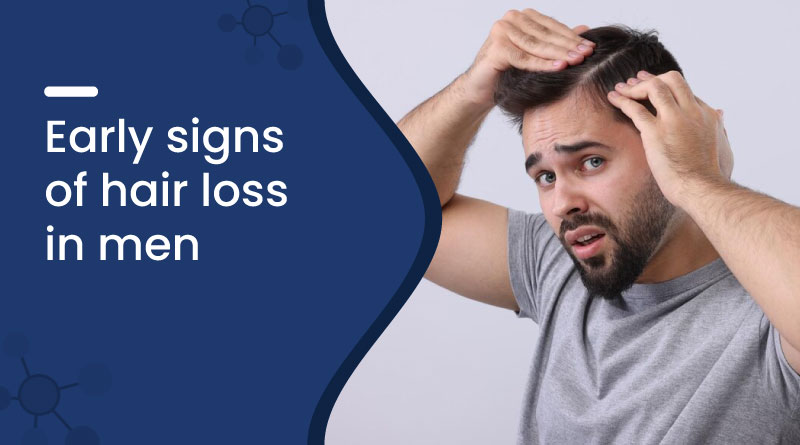
You might have noticed some extra hair strands on your pillow or more hair stuck in the shower drain after a wash, and ignored it, thinking it's not a big deal. But for many men, these can be the first signs of a much bigger issue, male pattern baldness or androgenetic alopecia.
Early signs of balding usually include a receding hairline, thinning at the crown, or widening of the part, and can slowly progress if left unaddressed. Treatments and lifestyle changes tend to be more effective in the early stages, when hair follicles are still active. Waiting too long may limit the effectiveness of certain approaches.
Before looking for the best hair fall treatment, you must understand what male pattern baldness is, the reasons behind it, the early signs/symptoms, when it becomes serious, etc.
This blog can help you explore suitable androgenetic alopecia treatment options and find the answers to all the above concerns as well.
What is Hair Loss in Men?
Hair loss in men refers to excessive shedding or thinning that goes beyond the normal hair growth cycle. For males, losing 50-100 hairs is considered normal hair fall per day. Trouble starts when shedding increases and is very noticeable, regrowth of thinner hair, and bald patches start to appear.
Hair growth follows a natural cycle:
- Anagen (Growth Phase): Active growth stage lasting 2-6 years; most scalp hair is in this phase.
- Catagen (Transition Phase): Short phase (2-3 weeks) where growth slows, and follicles shrink.
- Telogen (Resting Phase): Hair rests for about 2-3 months before shedding and being replaced.
When this cycle is disrupted, or follicles shrink over time, visible hair thinning can occur.
Also Read: Which Vitamin is Good for Hair Growth?
What are the Common Early Signs of Hair Loss in Men?
Recognising the early warning signs of hair loss can help men take timely steps to manage the condition. Here is a list of some subtle male pattern baldness symptoms that you men should look out for:
- Receding hairline – Gradual thinning or an “M shape hairline” is often one of the first noticeable signs.
- Thinning at the crown – Hair may appear less dense on the top or back of the scalp.
- Excessive hair shedding – More strands than usual on pillows, combs, or in the shower.
- Widening part line – The scalp becomes more visible when hair is parted.
- Slower hair growth – Hair grows back more slowly after cutting or shedding.
- Finer, weaker strands – Hair may feel thinner and lack its previous volume.
Also Read: Best Ingredients for Hair Growth
What Causes Early Hair Loss in Men?
To find the solution to any problem, the first step is understanding the reasons behind it. In this section, we are going to talk about the male pattern baldness causes. Several factors may contribute to early hair loss:
- Androgenetic alopecia/androgenic alopecia – A hereditary condition linked to hormone sensitivity that gradually shrinks hair follicles over time.
- Hormonal changes – Increased sensitivity to dihydrotestosterone (DHT) can weaken follicles and shorten the hair growth phase.
- Stress and illness – Physical or emotional stress can cause more hair to enter the telogen phase of hair growth.
- Nutritional deficiencies – Low levels of iron, protein, vitamin D, or B vitamins can affect healthy hair growth.
- Scalp conditions – Dandruff, fungal infections, or inflammation can disrupt normal follicle function.
- Certain medications – Some medications for chronic conditions can include hair thinning as a side effect.
Also Read: Is Hair Fall After 25 Normal?
What Increases the Risk of Faster Hair Loss in Men?
Some everyday habits and natural changes that we don’t know about can speed up hair thinning, especially in men already prone to it. These are the key risk factors that you should be aware of:
- Age: The rate of hair growth decreases with age, and the hair follicles can gradually shrink, causing the hair to be thinner and shorter.
- Smoking and alcohol use: These can affect blood circulation and nutrient delivery to hair follicles.
- Poor diet: Poor intake of protein, iron, and vitamins may lead to weakening of the hair and may also affect hair growth.
- Lack of sleep: Poor sleep may lead to hormonal imbalances.
- Excessive styling or chemical treatments: Frequent heat styling, colouring, or harsh products can damage hair shafts and irritate the scalp.
When Should Men See a Doctor for Hair Loss?
While gradual hair thinning in men can be common, some signs indicate the need to consult a doctor. Early evaluation can help determine whether hair shedding is temporary or part of a long-term condition.
- Sudden or rapid hair loss – If a large amount of hair is lost within a short span of time, such as weeks, it may be a sign of illness, stress, or nutritional issues.
- Patchy bald spots – When you see circular or irregular bald spots, it may be an indication of a scalp or autoimmune disease.
- Scalp redness, pain, or itching – Inflammation, infection, or skin conditions may be affecting the hair follicles. Go to the doctor in such cases.
- Hair loss after illness or major stress – This may be a temporary condition, but go to a doctor to determine the recovery process.
- Progressive thinning with family history – A pattern of hereditary hair loss may indicate a long-term condition, and early medical guidance can help slow progression and manage permanent hair loss more effectively.
How is Hair Loss Diagnosed in Men?
Diagnosing hair loss involves identifying the pattern, cause, and whether the condition is temporary or progressive. A medical evaluation helps guide the most appropriate management plan.
- Medical history review – The doctor asks about family history, recent illness, stress, diet, and medications.
- Scalp examination – A visual inspection of the scalp is done to check for thinning, inflammation, or infection.
- Hair pull test – The test involves gently pulling the hair in small sections to determine the extent of active hair shedding.
- Dermatoscopy – A magnified scalp view can reveal miniaturised follicles or scalp disorders.
- Blood tests (if needed) – Used to rule out thyroid issues, anaemia, or nutritional deficiencies.
Also Read: Best Omega-3 Capsules for Hair Loss & Regrowth
Early Treatment Options for Hair Loss in Men
Starting treatment early can help slow hair thinning and preserve existing hair. The right approach depends on the cause, severity, and individual health factors.
|
Category |
How it helps |
Best for |
|
Topical treatments (Minoxidil, medicated serums) |
Improves blood flow to hair follicles and may prolong the growth phase |
Men with early thinning on the crown or top of the scalp |
|
Oral medications Finasteride (under medical supervision) |
Reduces DHT levels, acting as a DHT blocker that slows follicle shrinkage linked to pattern baldness. |
Men with hereditary hair loss and gradual thinning |
|
Nutritional supplements (Iron, biotin, vitamin D, protein support) |
Corrects deficiencies that may contribute to shedding |
Men with a poor diet or low iron/vitamin levels |
|
Lifestyle and hair care changes (Stress control, balanced diet, gentle hair care) |
Helps reduce stress-related shedding |
Reduce triggers that worsen hair fall and support overall scalp and follicle health |
|
Low-level laser therapy |
Stimulates follicles using light energy to support hair growth |
Men experiencing temporary hair loss after illness or stress |
Best Product Recommendations to Manage Hair Loss from Zeelab Pharmacy
Support your hair care routine with trusted solutions designed to target thinning, nourish hair from within, and promote healthier growth. These carefully selected products help manage early hair loss and maintain stronger, fuller-looking hair over time.
|
Products |
Key Benefits |
|
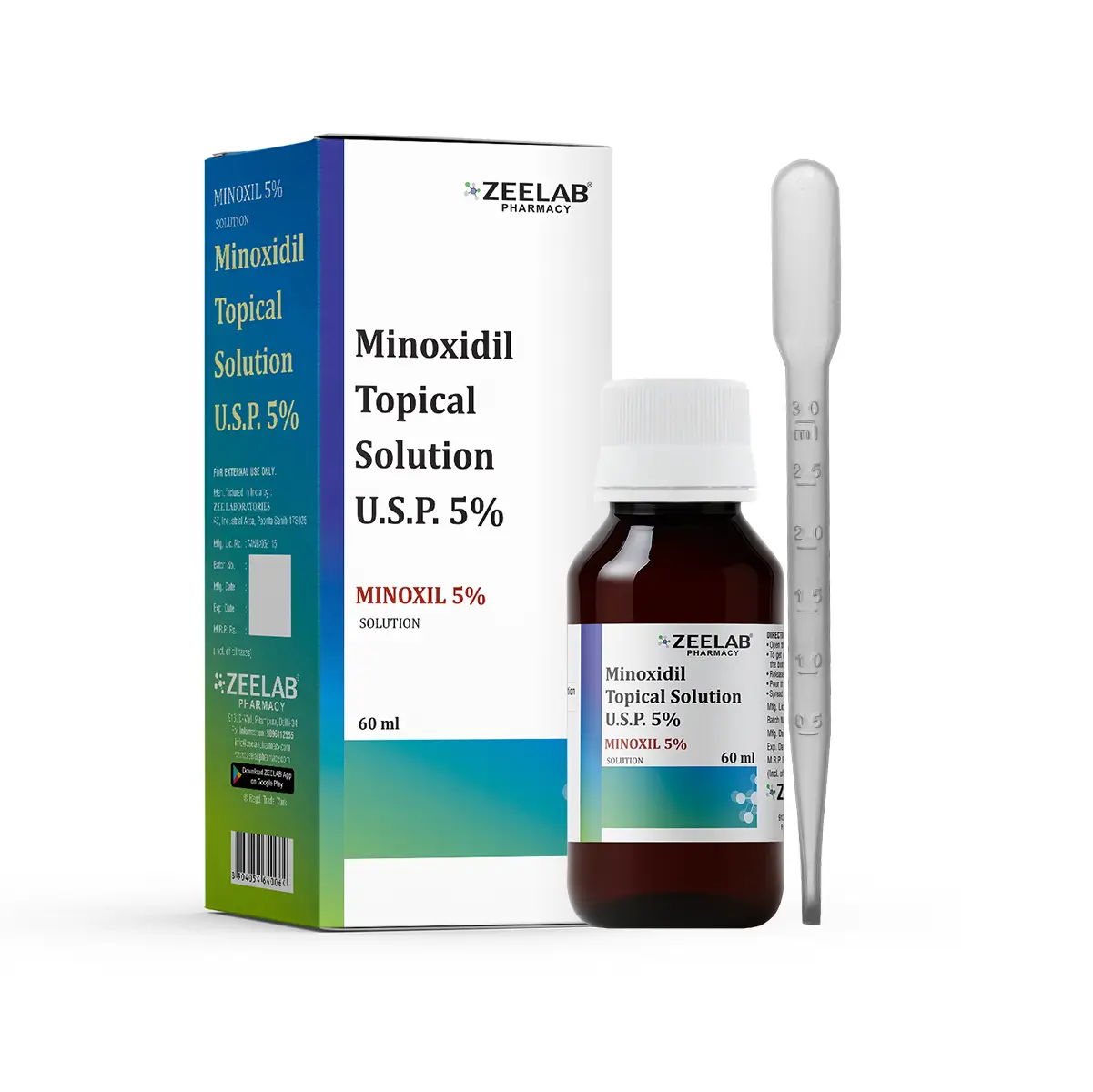
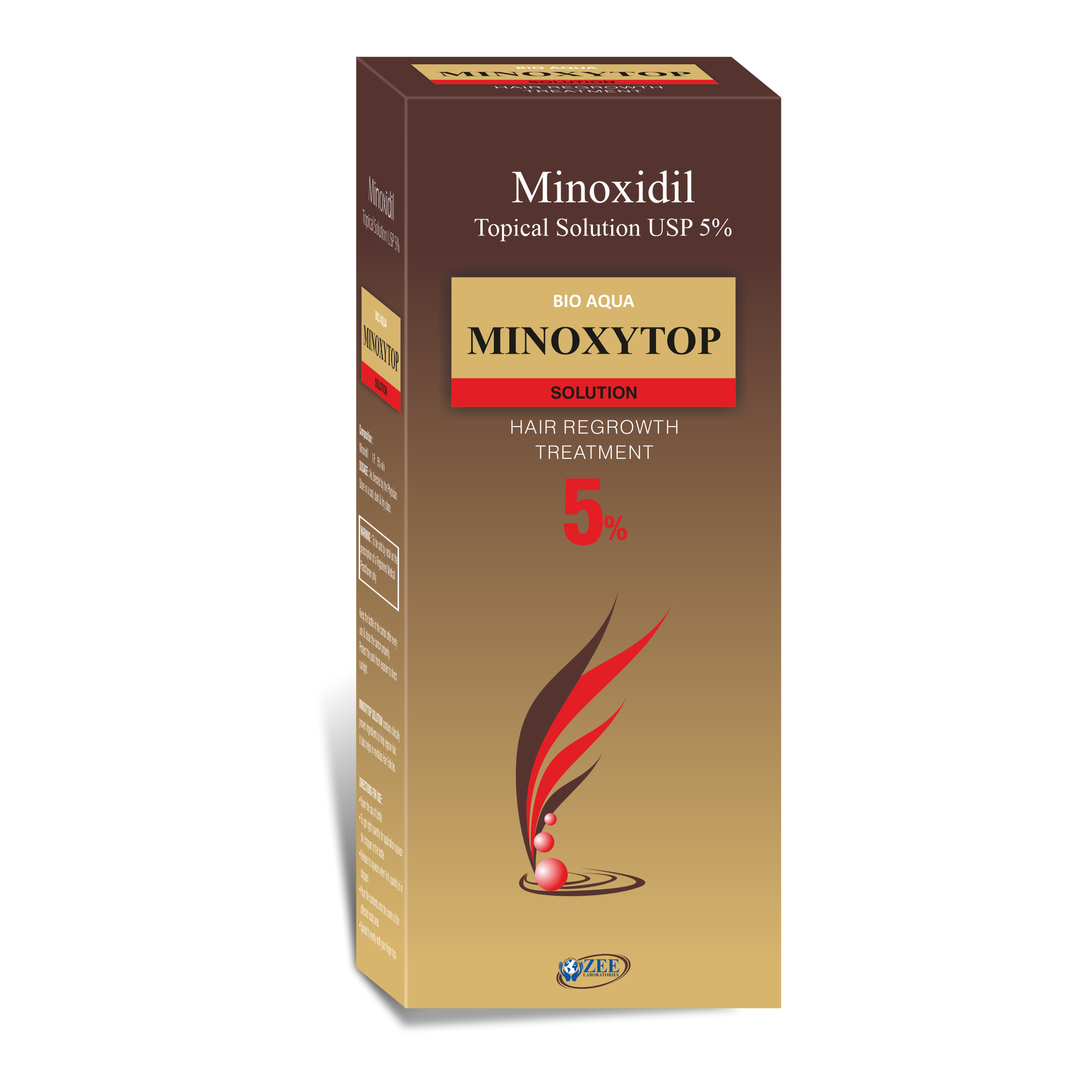
A topical solution that improves scalp circulation to help manage hair thinning and support regrowth. |
|
|
Its stronger topical formula helps to stimulate follicles and promote hair regrowth in thinning areas. |
|
|
This biotin supplement can strengthen weak hair and promote healthier growth. |
|
|
Biotin can help to nourish hair, skin, and nails by boosting keratin production. |
|
|
Oral DHT-blocking medication to help slow genetic hair loss under medical guidance. |
|
|
A specialised capsule designed to improve scalp stimulation and support follicle health. |
|
|
High-strength supplement featuring essential nutrients like vitamin D to support healthy hair growth. |
Note: Always consult a healthcare professional before starting any new treatment.
Can Men Prevent Early Hair Loss?
One question that comes to everyone’s mind is, can hair loss be prevented or how to prevent hair loss? The answer is that not all hair loss can be completely prevented, especially when genetics are involved, healthy habits can slow early thinning and support stronger hair growth. Some hair fall control tips include:
- Follow gentle hair care practices – Try to avoid using harsh chemicals, tight hairstyles, and excessive heat styling that can damage hair.
- Manage stress levels – Stress can affect the hair growth cycle, and therefore stress management, exercise, and adequate sleep are essential.
- Eat a balanced, nutrient-rich diet – Foods rich in protein, iron, zinc, omega-3 fatty acids, and vitamins such as vitamin D and vitamin B complex are essential for healthy hair.
- Maintain good scalp health – The scalp should be kept clean, and dandruff or irritation should be treated promptly.
- Get enough sleep – Adequate sleep is essential to control hormones that affect hair growth.
Also Read: Which Vitamin Deficiency Causes Hair Loss?
Myths and Facts About Hair Loss in Men
Misinformation about hair loss can delay proper care. Understanding the difference between common myths and medical facts helps men make informed decisions.
|
Myths |
Facts |
|
Wearing hats causes baldness |
Hats do not cause hair loss. Baldness usually results from genetics, hormones, or medical conditions affecting hair follicles. |
|
Only older men lose hair |
Hair loss can begin in the late teens or twenties, especially in men with a family history of pattern baldness. |
|
Frequent haircuts make hair grow thicker |
Cutting hair does not change follicle size or growth rate; it only affects the hair shaft’s appearance. |
|
Dandruff directly causes permanent hair loss |
Dandruff may lead to temporary shedding if severe, but it does not permanently damage healthy follicles. |
|
Hair loss is always permanent |
Some types, such as stress-related shedding, can be temporary and reversible with proper care. |
Conclusion
Hair loss can feel worrying, but understanding the early signs gives you the power to act before thinning becomes advanced. By learning about hair loss stages, recognising triggers, and seeking timely medical advice, men can make informed choices about care.
Along with professional guidance and proven male pattern baldness treatments, simple lifestyle steps and safe hair loss home remedies may support scalp health.
The key is consistency and early attention. With the right approach, hair regrowth for men and slowing further loss is often more achievable than many people think.
Frequently Asked Questions
Q. What are the earliest signs of hair loss in men?
A. Early signs include a receding hairline, thinning at the crown, and increased hair shedding. You may notice more hair on your pillow, comb, or shower drain before bald spots become visible.
Q. What does a receding hairline mean?
A receding hairline means the hair at the front of the scalp is gradually moving backwards, usually starting at the temples. It is often an early sign of male-pattern hair loss, caused by genetic and hormonal factors.
Q. At what age does male pattern hair loss usually start?
A. Male pattern hair loss can begin anytime after puberty, but it commonly starts in the 20s or 30s. Family history strongly influences how early thinning may appear.
Q. Can using too many hair products cause thinning?
A. Harsh chemicals, frequent heat styling, or tight hairstyles can damage hair shafts and irritate the scalp. While not the main cause, these habits can worsen early thinning.
Q. Is early hair loss reversible?
A. Some early hair loss can be slowed or partially reversed with timely treatment and lifestyle changes. The earlier you address thinning, the better the chances of maintaining hair density.
Q. How fast does early hair loss progress?
A. Hair loss progression varies. Some men notice slow thinning over the years, while others see quicker changes within months. Early detection improves the chances of slowing further hair loss.
Q. What part of the head shows hair loss first?
A. Hair loss often begins at the temples or crown. These areas are more sensitive to hormonal effects, making them common starting points for male pattern baldness.
Q. Is hair getting thinner a sign of balding?
A. Yes, hair becoming finer or less dense can be an early warning sign. This happens when hair follicles shrink, producing thinner strands before noticeable bald spots develop.
Q. What is Stage 1 hair loss in men?
A. Stage 1 is the earliest stage of baldness, where there is little to no visible hair loss. The hairline appears normal, though subtle changes may begin that are not easily noticeable.
Q. What does early male pattern baldness look like?
A. It usually starts with a receding hairline, thinning at the crown, or both. Over time, these areas may slowly expand if the condition progresses without treatment or lifestyle adjustments.

Cholecalciferol 60000 I.U
1gm In 1 Sachet
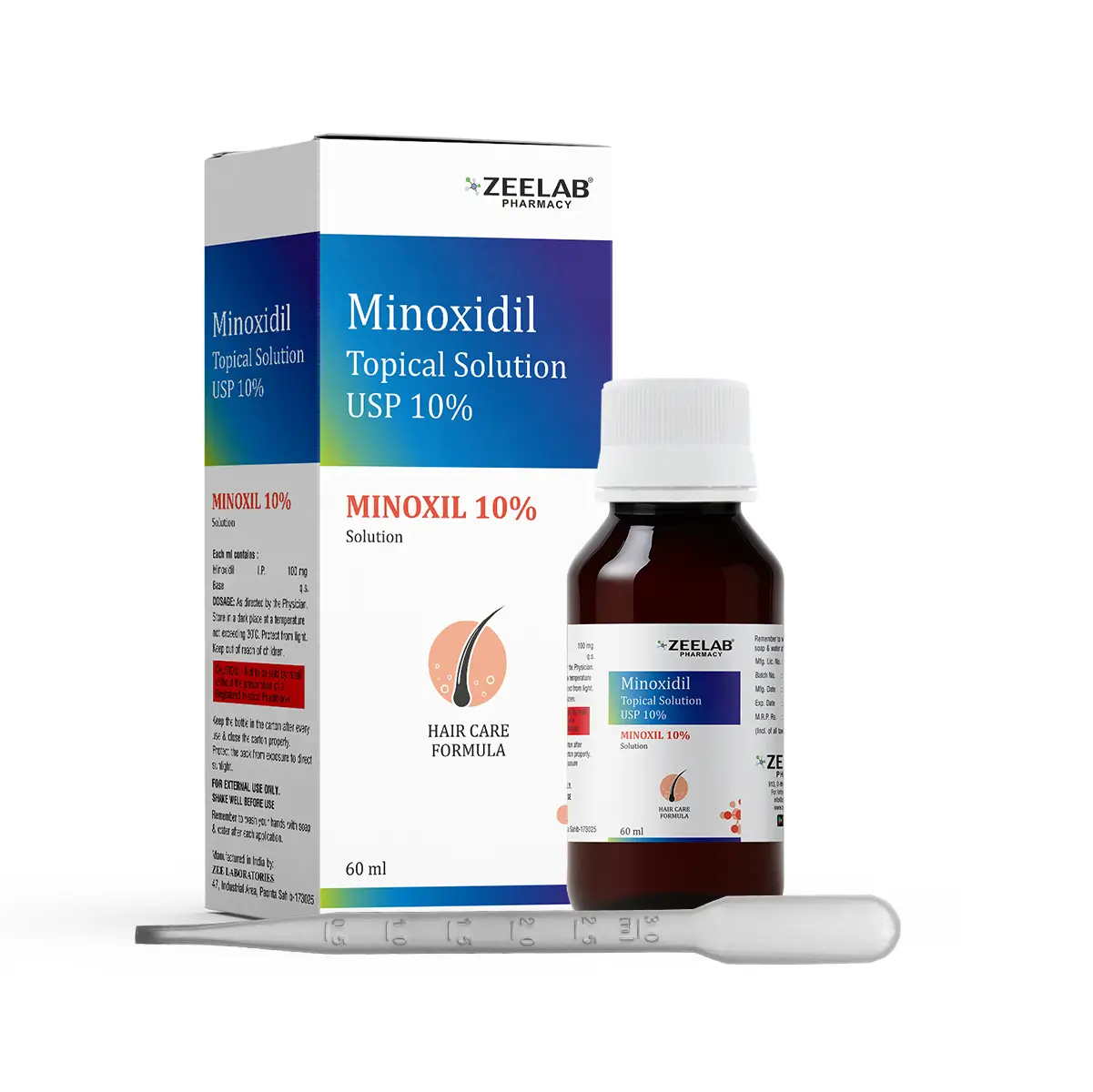
Minoxidil (10% w/v) Solution
60ml In 1 Bottle

Omega 3 Fatty Acids (100 mg) + Vitamin A (240 mcg) + Vitamin C (16 mg) + Vitamin D (4 mcg) + Vitamin E (4 mg) + Vitamin B9 (47.2 mcg) + Vitamin B12 (0.4 mcg) + Biotin (12 mcg) + Vitamin B5 (2 mg) + Iron (6.8 mg) + Zinc (4.8 mg) + Selenium (16 mcg) + Phytosterols (90 mg) + Green Coffee Extract (50 mg) + Pine Bark Extract (50 mg) + Pumpkin Seed Extract (40 mg) + Lycopene (5 mg) + Bhringraj Extract (50 mg)
30 Capsules In 1 Jar
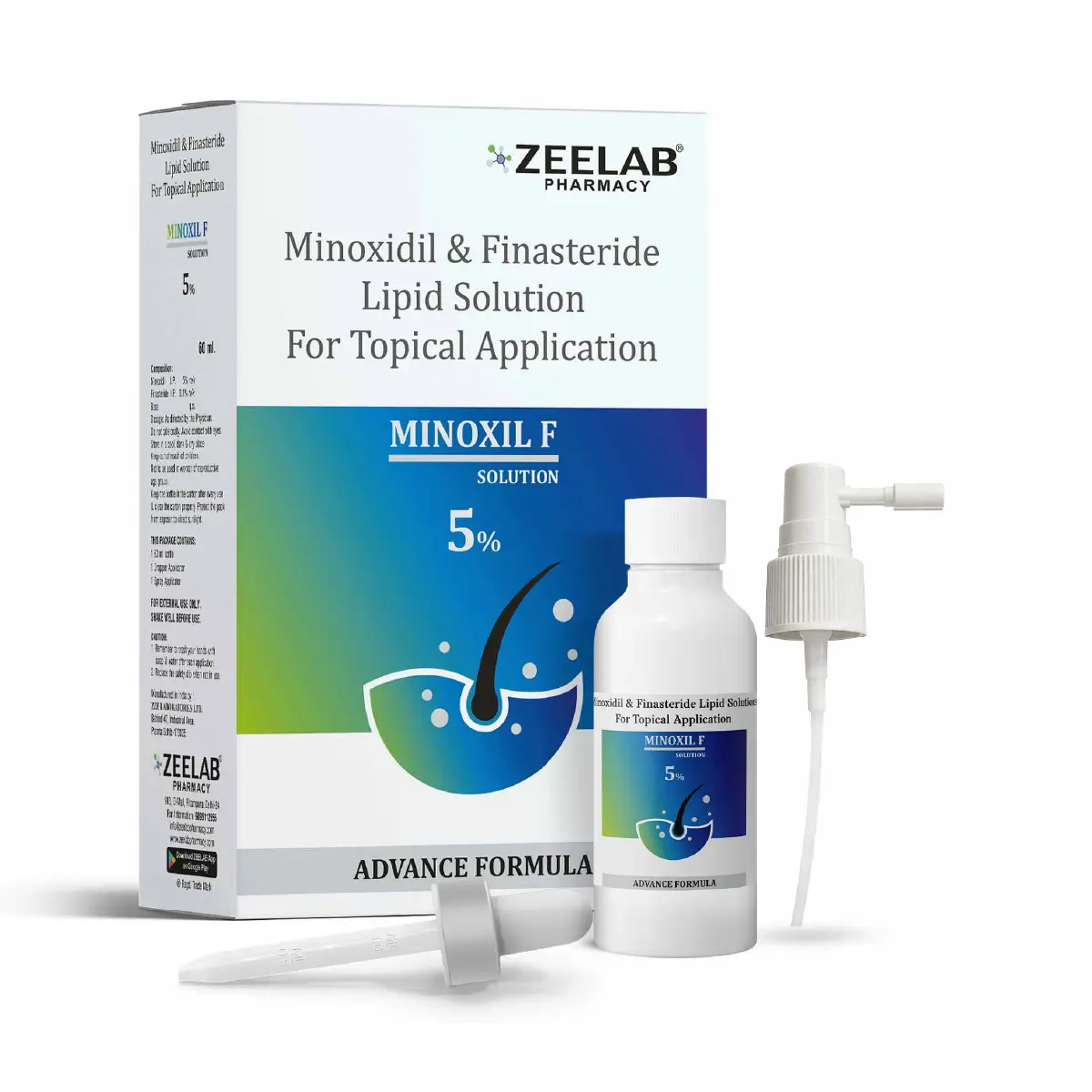
Minoxidil (5%) + Finasteride (0.1%) + Redensyl (3%) + Procapil (3%) + Anagain (2%) + Rosemary Oil (1%) + 2mg
60ml In 1 Bottle
Recent Blogs






Disclaimer : Zeelab Pharmacy provides health information for knowledge only. Do not self-medicate. Always consult a qualified doctor before starting, stopping, or changing any medicine or treatment.
Related Products



₹ 0
0
Items added
Quick Links
Categories
Our Policies

Our Socials


Subscribe

2026 Copyright By © Zeelab Pharmacy Private Limited. All Rights Reserved
Our Payment Partners

 Added!