

Best Medicine for Joint Pain Relief: A Complete Treatment Guide
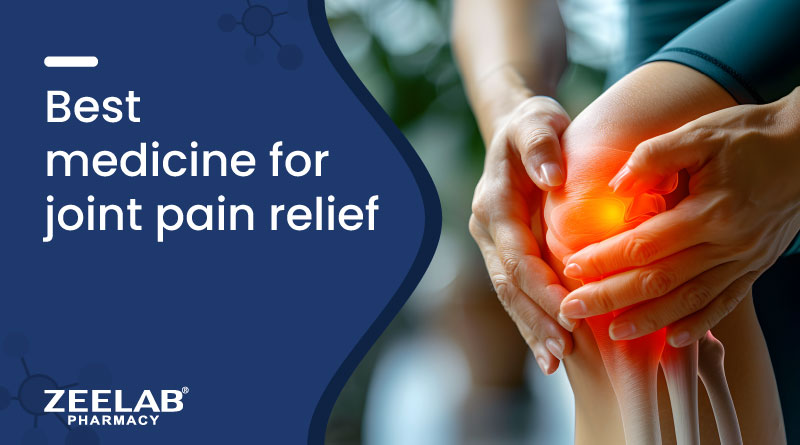
Are you or someone in your family suffering from joint pain and looking for the best and quickest medicine or treatment for joint pain and stiffness? If yes, then reading this blog thoroughly might help you.
Joint pain has become a common issue among people of all ages and can manifest as discomfort, stiffness, or inflammation in the joints.
The range of pain can be from mild to severe and can interrupt daily activities. While there are several reasons for it, the most common might be age-related wear and tear (osteoarthritis), inflammatory conditions, injuries, gout, infections, obesity, and prolonged joint strain.
This is why choosing the right medicine for joint pain relief is essential, because different causes require different treatments. Some medicines reduce inflammation, while others mainly ease pain.
In this blog, you will learn about joint pain and stiffness, muscle pain relief, the top joint pain relief medicine, and the best arthritis pain relief medicine.
What is Joint Pain?
Joint pain refers to discomfort, stiffness, or inflammation in the area where two or more bones meet, such as the knees, hips, shoulders, or elbows. It can affect people of any age and may occur due to injury, inflammation, ageing, or underlying medical conditions.
The pain may be mild and temporary or severe and long-lasting, sometimes limiting movement and affecting daily activities like walking, bending, or lifting. Understanding the cause of joint pain is important to choose the most effective medicine or treatment for relief.
Common Symptoms of Joint Pain
Joint pain may present with different symptoms depending on the cause and severity. Some of the most common symptoms include:
- Stiffness: Difficulty moving the joint, especially after waking up or after long periods of rest.
- Swelling: Inflammation around the joint that may cause puffiness or tenderness.
- Redness and Warmth: The skin around the joint may appear red and feel warm due to inflammation.
- Reduced Mobility: Limited movement or difficulty performing daily activities due to pain or stiffness.
What Causes Joint Pain?
Joint pain can occur for several reasons, including ageing, inflammation, injuries, and lifestyle factors. Identifying the underlying cause is important because the treatment and medicines used for joint pain relief may vary depending on the condition.
- Age-Related Wear and Tear (Osteoarthritis)
Osteoarthritis occurs when the protective cartilage in joints gradually wears down with age. It commonly affects the knees, hips, and spine, causing pain, stiffness, and reduced flexibility.
- Inflammatory Conditions (Rheumatoid Arthritis)
Rheumatoid arthritis is an autoimmune disease where the immune system attacks the joints. This leads to inflammation, swelling, pain, and stiffness in multiple joints.
- Injuries and Strains
Joint pain can also result from injuries such as sprains, ligament tears, or fractures. Overuse, heavy lifting, or sudden trauma can strain joints and cause swelling and pain.
- Gout and Infections
Gout occurs when uric acid crystals build up in the joints, causing sudden and intense pain with swelling and redness. Some infections can also trigger joint inflammation.
- Obesity and Lifestyle Factors
Excess body weight puts extra pressure on joints, especially the knees and hips. Lack of physical activity and poor posture can also contribute to joint pain and stiffness.
Different Types of Joint Pain
Joint pain varies depending on the cause, duration, and symptoms. This knowledge is essential for identifying the cause of the pain and the appropriate treatment approach.
-
Based on the Cause
Joint pain is classified according to the cause of the pain. It may be caused by inflammation, wear and tear of the joint, infections, and injury.
|
Type of Joint Pain |
Description |
Common Features |
|
Inflammatory Joint Pain |
Causes pain due to inflammation. |
Swelling, warmth, redness, and prolonged morning stiffness. |
|
Non-Inflammatory Joint Pain |
Generally caused by wear and tear of the joint. |
Pain is worse with movement and better with rest; swelling is mild or absent. |
-
Based on Duration
Joint pain may also be classified according to the duration of the pain. This may either be sudden and of short duration or long-lasting.
|
Type of Joint Pain |
Description |
Examples |
|
Acute Joint Pain |
Sudden and short-term pain. |
Injury, infection, or gout attack. |
|
Chronic Joint Pain |
Long-lasting pain persists for weeks or months. |
Osteoarthritis, autoimmune conditions. |
-
Based on Location
Another way of understanding joint pain is to identify whether it affects one joint or more than one joint simultaneously.
|
Type of Joint Pain |
Description |
Impact |
|
Localised Joint Pain |
Pain is limited to a single joint. |
Affects specific movement. |
|
Widespread Joint Pain |
Pain that affects more than one joint. |
May indicate systemic or inflammatory conditions. |
-
Age-Related Joint Pain
This type of pain results from the wear and tear of cartilage over time. It affects the knees, hips, and spine, becoming worse with movement and better with rest.
Best Over-the-Counter (OTC) Medicines for Joint Pain
Over-the-counter (OTC) medications may be the initial solution to dealing with mild to moderate joint pain. They can provide relief from pain and support your activities of daily living.
1) NSAIDs (Ibuprofen and Naproxen)
Non-steroidal anti-inflammatory drugs (NSAIDs) like ibuprofen and naproxen may be the answer if your joint pain results from an inflammatory condition.
These OTC drugs inhibit the production of prostaglandins, chemical messengers in your body that send pain, inflammation, and swelling signals to your brain.
|
Benefits |
Risks |
|
Ease pain and swelling |
Stomach irritation and ulcers |
|
Useful in treating inflammatory conditions |
Can increase the risk of heart or kidney problems with long-term use |
|
Provide longer-lasting relief (especially naproxen) |
Not suitable for everyone, especially those with certain medical conditions |
2) Paracetamol (Acetaminophen)
The use of acetaminophen, also known as paracetamol, is often suggested for joint pain, especially if there is no major problem of inflammation. It works by altering pain signals in the brain rather than reducing swelling.
This is a good choice for people who are unable to use NSAIDs due to stomach sensitivity and health risks. However, high doses or prolonged use can affect the liver, so it is important to stay within recommended limits and avoid combining it with alcohol.
Best Prescription Medicines for Severe Joint Pain
If the pain in the joints becomes severe and fails to respond to over-the-counter medications, prescription drugs may be necessary. These joint pain medicines are usually recommended after careful medical evaluation and selection of the drug based on the actual reason for the pain.
|
Category |
Examples |
How They Help |
|
Prescription NSAIDs |
Diclofenac, Celecoxib (COX-2 inhibitors) |
Stronger anti-inflammatory effects compared to OTC NSAIDs. They help to relieve pain, inflammation, and joint stiffness. It may cause less stomach irritation, but it still carries heart and kidney risks. |
|
Corticosteroids |
Oral prednisone, Intra-articular steroid injections |
Strong anti-inflammatory effects. Oral steroids provide temporary relief, whereas steroid injections target a specific joint to rapidly relieve pain and inflammation. |
|
Disease-Modifying Anti-Rheumatic Drugs (DMARDs) |
Methotrexate, Biologics |
These medicines affect the immune system for conditions such as rheumatoid arthritis. They slow the progression of the disease and prevent damage to the joint. |
|
Medicines for Chronic Musculoskeletal Pain |
Duloxetine |
This prescription medication works on the nervous system's pain pathways to help relieve chronic musculoskeletal pain, especially when nerve sensitivity is a factor. |
Note: These medicines should always be used under medical supervision to ensure safety and effectiveness.
Best Topical Medicines Recommendation for Joint Pain Relief By Zeelab Pharmacy
Managing joint discomfort may require targeted care. Below are Zeelab Pharmacy’s suggested topical remedies for muscle joint pain medicine and topical arthritis treatment, carefully selected to promote soothing comfort and ease of use.
Dicamol Plus Gel
Dicamol Plus Gel is a topical pain-relieving gel that helps to relieve aching joints and muscles, making it one of the best medicines for knee joint pain and mild inflammation if applied topically.
- Benefits: Fast pain relief, swelling reduction, and stiffness relief with a soothing cooling-warming effect.
- Composition: Diclofenac diethylamine, Methyl salicylate, Oleum lini, Menthol.
Dicamol Spray
Dicamol Spray is a fast-acting pain relief spray that helps ease stiff joints, muscle pain, and mild inflammation with quick relief from pain, swelling, and stiffness, featuring a refreshing cool touch.
- Benefits: Offers quick pain relief, reduces swelling, and eases stiff joints with a refreshing cooling effect.
- Composition: Diclofenac Diethylamine + Virgin Linseed Oil + Methyl Salicylate + Menthol.
Dicamol Roll On
Dicamol Roll-On Oil is a fast-acting pain relief oil, an allopathic medication for joint pain, that helps ease muscle and joint pain with a convenient roll-on format.
- Benefits: Quickly relieves pain, reduces swelling, relaxes muscles, and eases stiffness with a cool touch of natural oil.
- Composition: Diclofenac, Diethylamine, Methyl Salicylate, Peppermint Oil, Eucalyptus, Turpentine.
How to Choose the Right Medicine for Joint Pain
The choice of the best arthritis and joint pain medicines depends on the condition, severity, and cause, ensuring safer relief and effective joint health management.
|
Condition |
Recommended Medicine |
|
Osteoarthritis |
NSAIDs, topical diclofenac, paracetamol |
|
Rheumatoid Arthritis |
DMARDs, biologics, corticosteroids |
|
Gout |
NSAIDs, colchicine, corticosteroids |
|
Injury (Sprain/Strain) |
NSAIDs, ice therapy, short-term rest |
|
Chronic Musculoskeletal Pain |
Duloxetine, NSAIDs, supportive therapy |
Natural Supplements for Joint Pain Relief
Medicines are not the only option to treat and relieve joint pain. There are other options available to treat and relieve joint pain. Some of the options include:
- Glucosamine & Chondroitin: These supplements can aid in relieving joint pain and can also support the health of the cartilage.
- Omega-3 Fatty Acids: This may be found in fish oil and may help with joint pain.
- Turmeric (Curcumin): Very well-known for its anti-inflammatory properties, and may help with joint pain.
- Boswellia Extract: It may help with flexibility and joint pain.
- Vitamin D & Calcium: Support bone strength and overall joint health, especially in older adults.
Also Read: Best Tablet for Knee Pain and Swelling
Safety Guidelines When Using Joint Pain Medicines
Using joint pain medicines correctly is essential for effective relief and minimising unwanted side effects. Follow these general safety tips:
- Follow the recommended dosage: Never exceed the recommended dose on the label or prescribed by a doctor
- Avoid Long-Term Self-Medication: Long-term use of pain medicines, especially NSAIDs, may cause increased health risks.
- Take With Food (If Advised): Some pain medicines may cause stomach irritation if taken on an empty stomach.
- Check for Drug Interactions: Inform your doctor about other medicines or supplements you are taking.
- Monitor Side Effects: Seek medical advice if you notice unusual symptoms like stomach pain, swelling, or allergic reactions.
Medicines That Should Be Used With Caution
Not all joint pain medicines are suitable for everyone. Certain drugs should be avoided or used carefully, especially in people with existing health conditions.
- NSAIDs in Heart or Kidney Disease: May increase cardiovascular or kidney-related risks.
- Long-Term Steroid Use: Can weaken bones, raise blood sugar, and cause other systemic effects.
- High-Dose Paracetamol: Excessive use may harm the liver, particularly in people with liver conditions.
- Multiple Painkillers Together: Combining similar medicines can increase the risk of side effects.
- Self-Medication in Elderly Patients: Higher sensitivity to side effects requires careful monitoring.
Lifestyle Changes That Help Reduce Joint Pain
Along with taking medicine for joint and muscle pain, you should also put some focus on your lifestyle habits for long-term relief and improved mobility.
- Maintain a Healthy Weight: Reduces excess pressure on weight-bearing joints like knees and hips.
- Stay Physically Active: Low-impact exercises such as walking, swimming, or yoga improve flexibility and strength.
- Follow a Balanced Diet: Include anti-inflammatory foods such as fruits, vegetables, and Omega-3 for joint health from sources like fish, flaxseeds, and walnuts.
- Use Hot and Cold Therapy: Heat relaxes stiff joints, while cold packs help reduce swelling.
- Practice Good Posture: Proper alignment minimises unnecessary strain on joints.
Consistent lifestyle changes can significantly support overall joint health and comfort.
Also Read: Vitamin D and Calcium for Bone Pain Relief
Medical Tests for Diagnosing Joint Pain
Before starting long-term treatment for joint pain, a proper diagnosis is essential. This will ensure that the patient is not given medication for the wrong reasons.
|
Test / Evaluation |
Purpose |
|
Blood Tests (ESR, CRP, Rheumatoid Factor) |
Detects the presence of inflammation, infection, or autoimmune diseases. |
|
Uric Acid Test |
Helps diagnose gout-related joint pain. |
|
X-ray |
Detects joint destruction, cartilage loss, or osteoarthritis. |
|
MRI or Ultrasound |
Provides detailed images of soft tissues, ligaments, and early joint inflammation. |
|
Physical Examination |
Detects swelling, pain, and limitations in the joints. |
Joint Pain in Special Populations
Some people need extra care while choosing joint pain medicines. Age, existing health conditions, and pregnancy can affect which treatments are safe.
- Elderly Patients: Older adults may experience more side effects from painkillers. Lower doses and topical medicines are often safer options.
- Kidney Disease Patients: Certain pain medicines, especially NSAIDs, can worsen kidney function and should be used cautiously.
- Heart Disease Patients: Some anti-inflammatory medicines may increase heart risks. Medical supervision is important.
- Pregnant Women: Not all pain relievers are safe during pregnancy. Always consult a doctor before taking any medication.
Also Read: Best Ayurvedic Oil for Joint Pain
Red Flag Symptoms to Look for in Joint Pain
While mild joint pain is common, certain symptoms may indicate a more serious condition that requires immediate medical attention.
- Severe, sudden joint pain without obvious injury
- Swelling with redness and warmth, especially if accompanied by fever
- Joint deformity or inability to move the joint
- Persistent pain lasting several weeks despite treatment
- Unexplained weight loss or extreme fatigue, along with joint pain
If you notice any of these warning signs, consult a healthcare professional promptly for proper evaluation and treatment.
Myth vs Fact about Joint Pain Medicines
Many people get confused when the topic is about joint pain medicine in India, which leads to delayed or inappropriate treatment choices.
In such a case, you should be aware of the common myths and facts to support smarter decisions and more effective joint pain or arthritis pain relief.
|
Myth |
Fact |
|
All joint pain is arthritis. |
Injury, gout, or autoimmune diseases may also cause pain. |
|
Stronger medicine means better relief. |
Correct diagnosis and targeted treatment matter more than strength. |
|
Exercise worsens joint pain. |
Proper, low-impact exercise can improve joint function. |
|
Supplements are always safe. |
They may still cause side effects or interactions. |
Conclusion
Joint pain can be a really discomforting problem that can affect mobility and the overall quality of life. But with the right approach, you can make a meaningful difference for yourself or your loved ones.
There are several medicines to reduce painful joints, ranging from over-the-counter drugs to prescription drugs, and lifestyle modifications.
However, choosing a good medicine for joint pain should always depend on proper diagnosis and individual health needs.
Early attention, informed decisions, and medical guidance can help you manage pain effectively and keep your joints healthy in the long term.
Frequently Asked Questions
Q. What is the best medicine for joint pain relief?
A. The best medicine for joint pain relief depends on the cause. NSAIDs help reduce inflammation, while paracetamol eases mild pain. Severe or chronic conditions may require prescription medicines after a proper medical evaluation.
Q. Are NSAIDs safe for long-term joint pain?
A. NSAIDs can relieve pain and swelling, but long-term use may increase stomach, heart, or kidney risks. They should be taken at the lowest effective dose under medical supervision.
Q. What is the fastest-acting medicine for joint pain?
A. NSAIDs often start working within hours. In severe inflammatory cases, steroid injections may provide quicker and stronger relief. The fastest option depends on the severity and underlying condition.
Q. What medicine helps with stiff joints?
A. Medications such as NSAIDs can help relieve a stiff joint by relieving the pain of inflammation in the joint. Topical gels and sprays can help relieve a stiff joint.
Q. How long does joint pain medicine take to work?
A. Most joint pain relievers, such as NSAIDs, can relieve pain within a few hours. Medications for chronic conditions, such as DMARDs, can relieve pain in a matter of weeks.
Q. Is diclofenac good for joint pain?
A. Diclofenac is an anti-inflammatory pain reliever that is commonly used to relieve joint pain, sprains, and muscle pain, but it should be used with caution if you have heart or kidney problems.
Q. Can joint pain go away without medicine?
A. Mild joint pain from strain or overuse may improve with rest, ice, and lifestyle changes. However, persistent or worsening pain requires medical evaluation to identify the cause.
Q. Are steroid injections safe for joint pain?
A. Steroid injections can provide strong, targeted relief for severe inflammation. However, repeated use may affect joint tissues, so they should only be given under medical supervision.
Q. When should I see a doctor for joint pain?
A. Severe joint pain, persistent pain, pain accompanied by swelling and fever, and pain that interferes with movement should prompt a visit to a doctor to prevent long-term joint pain.
Q. What lifestyle changes help improve joint pain relief?
A. Being in a healthy weight group, staying active, consuming an anti-inflammatory diet, and maintaining good posture can help increase the effectiveness of medication and promote joint health.
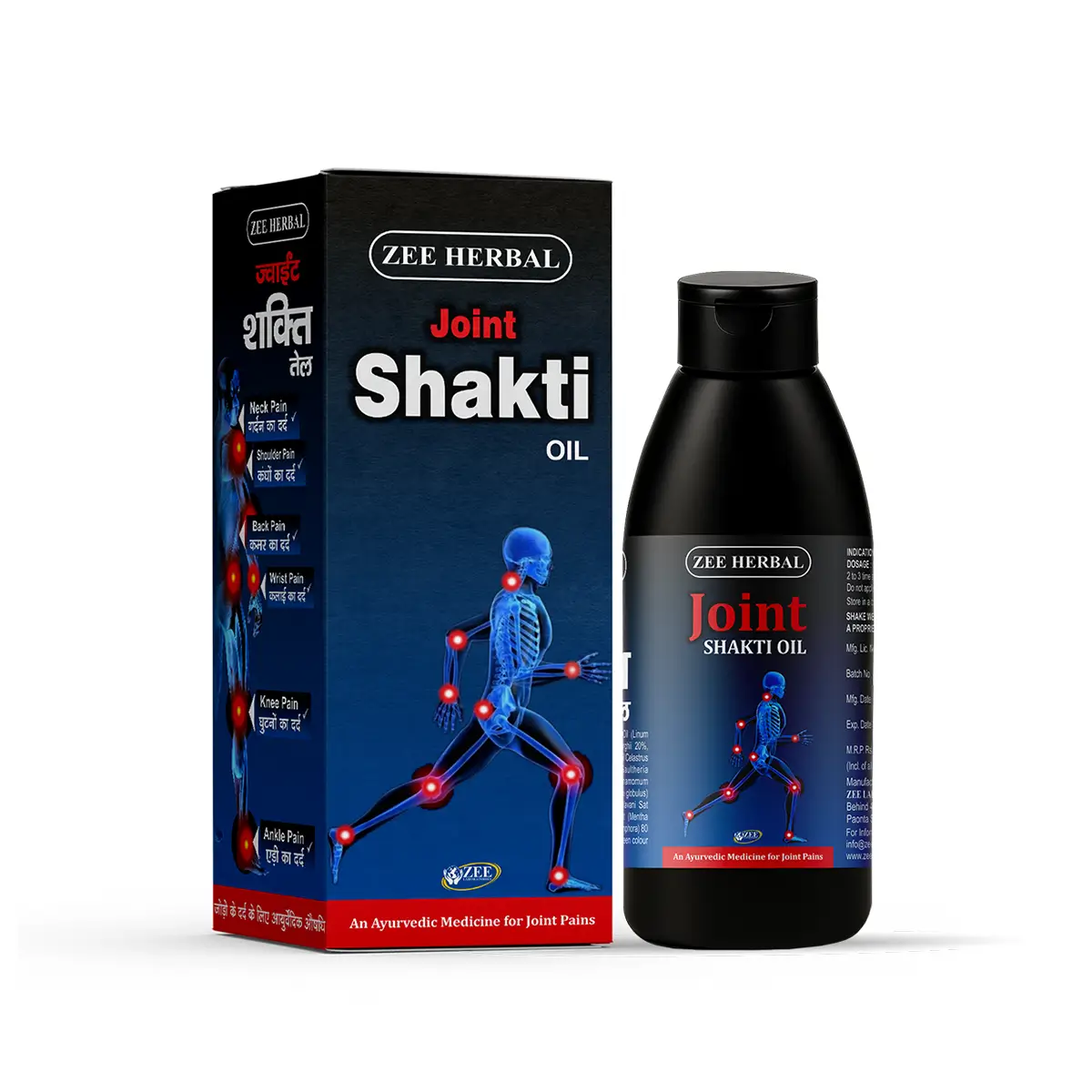
Sigaro Oil (Moringa Oleifera) 05% + Atsi Oil (Linum Usitatissimum) 18% + Saral Oil (Pinus Roxburghii) 20% + Nirgundi Oil (Vitex Negundo) 06% + Jyotishmati Oil (Celastrus Paniculatus) 07% + Gandhpura (Gaultheria Fragrantissima) 06% + Darusita (Cinnamomum Zeylanicum) 03% + Tailaparna Oil (Eucalyptus Satav Globulus) 06% + Jaiphal Oil (Myristica Fragrans) 03% + Yavani (Trachyspermum Ammi) 50mg + Putiha (Mentha Spicata) 60mg + Kapoor (Cinnamomum Camphora) 80mg + Til Oil (Sesamum Indicum) 26% + Olive Green Colour
100ml In 1 Bottle
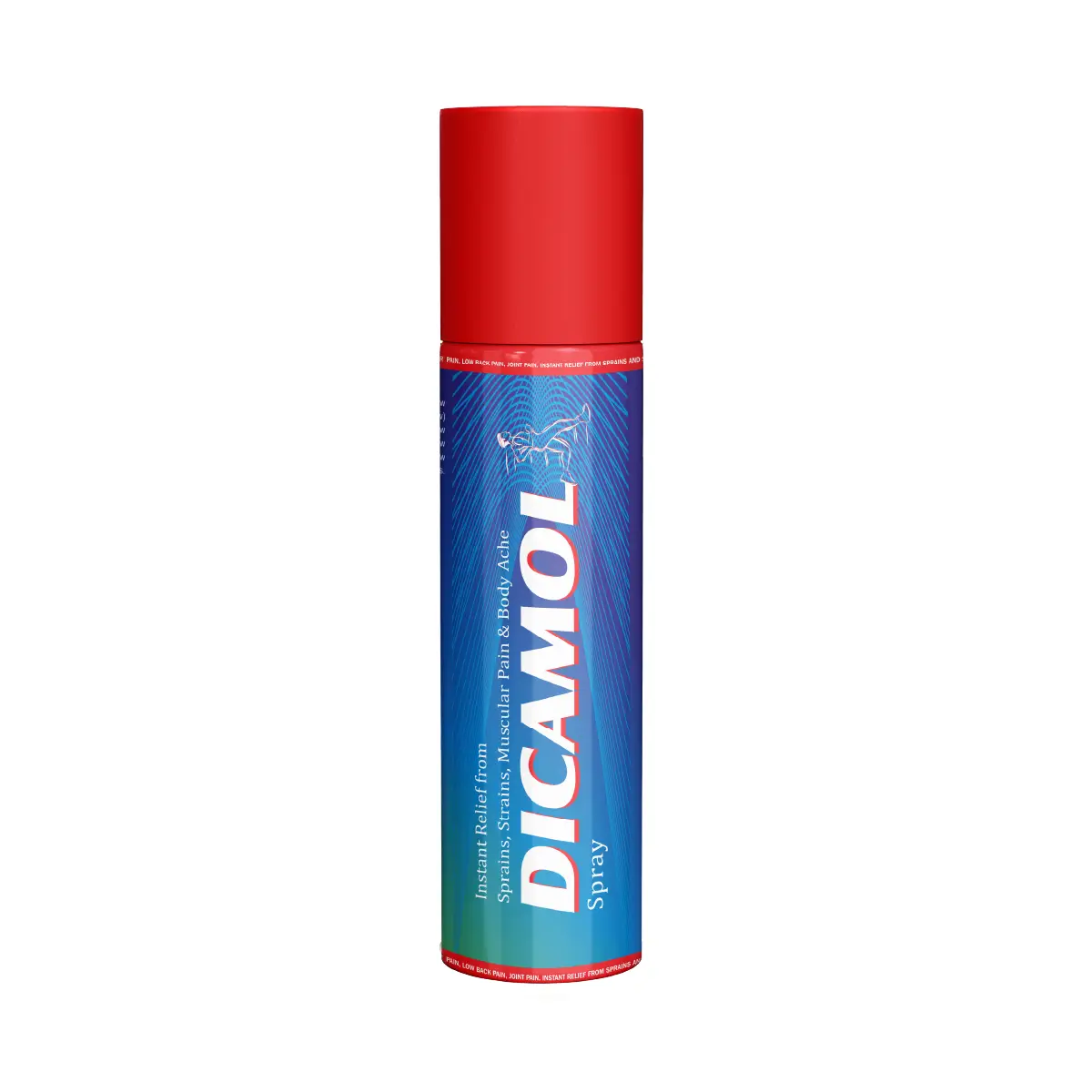
Diclofenac Diethylamine (1.16% w/w) + Virgin Linseed Oil (3% w/w) + Methyl Salicylate (10% w/w) + Menthol (5% w/w)
55g In 1 Bottle
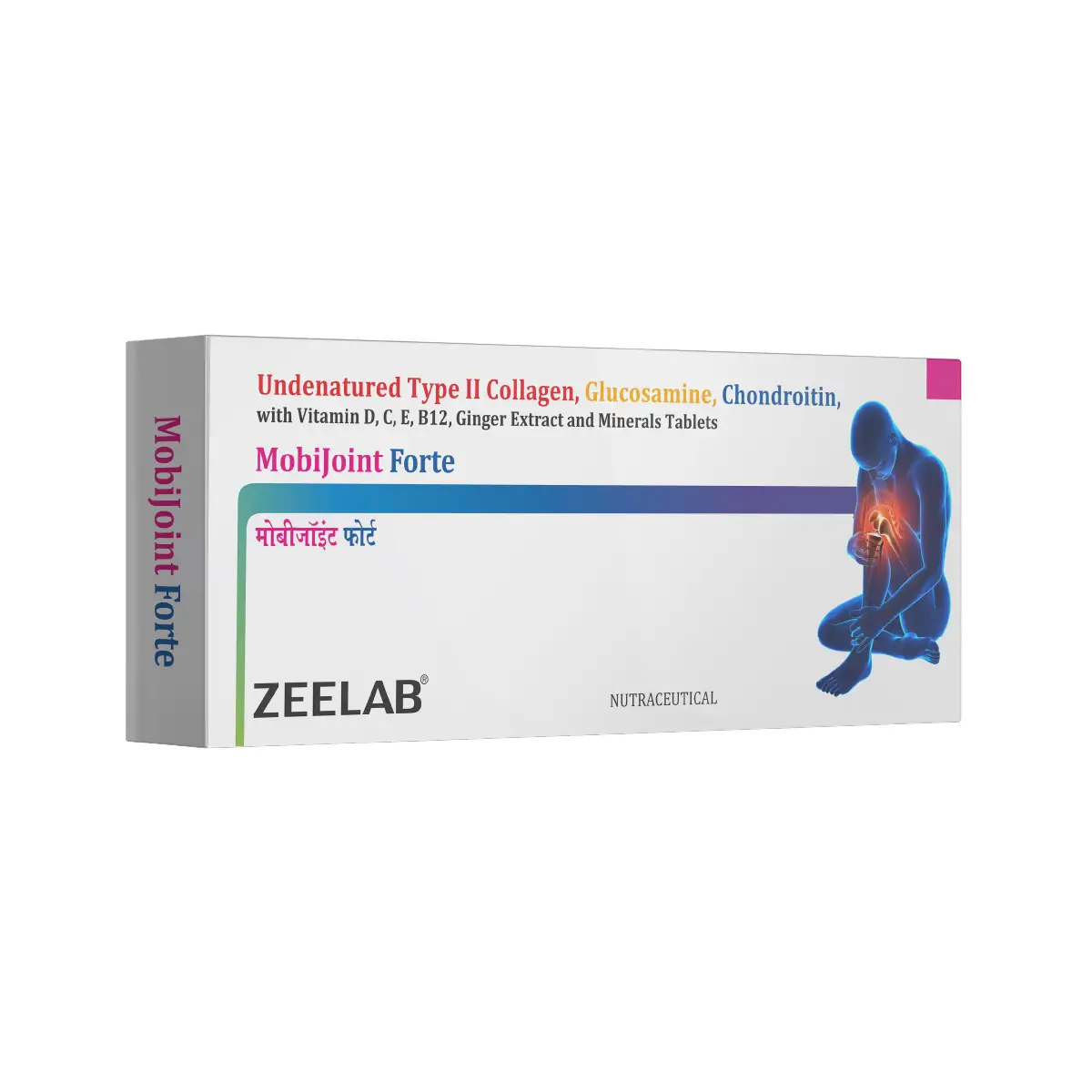
Glucosamine Sulphate 750 mg + Chondroitin Sulphate 50 mg + Undenatured Type II Collagen 40 mg + Ginger Extract 40 mg + Vitamin C 30 mg + Vitamin E 10 mg + Elemental Iron 5 mg + Elemental Zinc 5 mg + Elemental Manganese 2 mg + Elemental Copper 0.5 mg + Folic Acid 100 mcg + Elemental Selenium 40 mcg + Vitamin D 400 IU + Vitamin B12 1 mcg
15 Tablets In 1 Strip
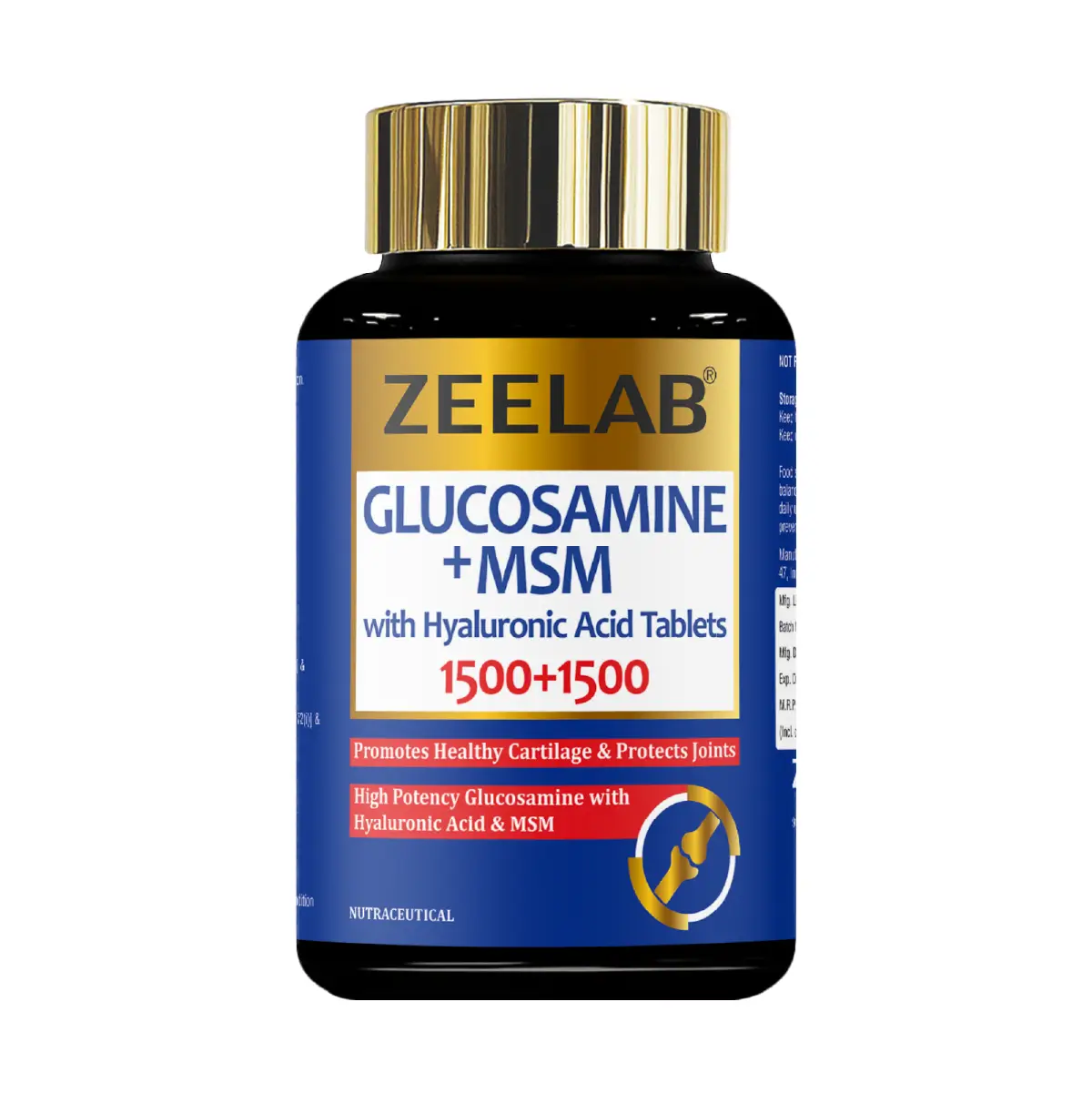
Glucosamine Hydrochloride (1500 mg) + Methylsulfonylmethane (MSM) (1500 mg) + Hyaluronic Acid (3.3 mg)
90 Tablets per Bottle
Recent Blogs





Disclaimer : Zeelab Pharmacy provides health information for knowledge only. Do not self-medicate. Always consult a qualified doctor before starting, stopping, or changing any medicine or treatment.
Related Products


₹ 0
0
Items added
Quick Links
Categories
Our Policies

Our Socials


Subscribe

2026 Copyright By © Zeelab Pharmacy Private Limited. All Rights Reserved
Our Payment Partners

 Added!