

6 Best Food Categories for Strong Bones: A Complete Bone Health Diet Guide
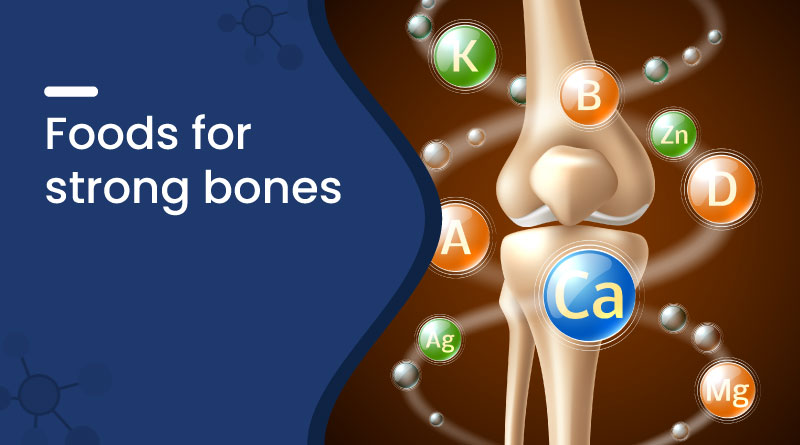
We all know that bones give a structure to our body, enable motility and also provide protection to vital organs like the heart and lungs. But don't think of bones as just a mere framework in the body, as they also act as a reservoir of much-needed minerals, such as calcium and phosphorus, that are required for various bodily functions.
Healthy bones are essential at all stages of life, from the development of peak bone mass in youth to the prevention of bone loss in the elderly.
Poor dietary habits and lifestyle may lead to diseases such as Osteoporosis, causing the weakening of the bones, thereby making them fragile.
Let's read what type of diet can strengthen the bones, the key nutrients to include, which foods are best for bone strength, and the other things you should be careful of.
Why Bone Health Matters at Every Age
Bones do not have just one function, i.e., to give support and structure to the body. They do much more than that, hence it becomes important to care about them.
Key roles of bones include:
- Provide structure and support to the body
- Protect organs like the brain, heart, and lungs
- Help in movement by working with muscles
- Store essential minerals like calcium and phosphorus for body functions
Common Bone Health Problems You Should Know
Maintaining strong bones is essential for overall health, but certain conditions can weaken them over time. Common bone health problems include:
- Osteoporosis: A condition where bones become fragile and porous, increasing the risk of fractures even with minor falls or injuries.
- Osteopenia: A milder form of bone loss, often a precursor to osteoporosis, where bone density is lower than normal.
- Increased Risk of Fractures with Ageing: As we age, bones naturally lose strength, making fractures more likely, especially in the hip, spine, and wrist.
Understanding these problems can help you take proactive steps to protect your bones and reduce fracture risk.
Factors That Affect Bone Strength
Bone strength is influenced by a combination of biological, lifestyle, and environmental factors:
- Age: Bone density typically peaks in early adulthood and gradually declines with age, increasing fracture risk.
- Hormonal Changes: Hormones like estrogen in women and testosterone in men play a key role in maintaining bone mass; imbalances can lead to weaker bones.
- Diet and Lifestyle: Adequate intake of calcium, vitamin D, and protein is essential for healthy bones. Excess alcohol, smoking, or a diet low in nutrients can negatively affect bone strength.
- Physical Activity: Regular weight-bearing and resistance exercises help maintain bone density and strength, reducing the risk of osteoporosis and fractures.
Key Nutrients Required for Strong Bones
You have learnt what bones do and why it is important to maintain them. But exactly how can you make your bones strong, that too without leaning towards artificial supplements?
The answer is simple: take a balanced diet that includes all the essential nutrients, which help in increasing bone strength and density.
|
Nutrient |
Importance |
Recommended Daily Intake (Adults) |
|
Calcium |
Essential for strong bones as it helps in building and maintaining bone structures |
1000–1200 mg |
|
Vitamin D |
It helps the body absorb calcium and support bone development |
600–800 IU |
|
Magnesium |
Required for bone formation and for maintaining calcium levels |
310–420 mg |
|
Phosphorus |
Helps in building strong bones and teeth with calcium |
700 mg |
|
Vitamin K |
Supports bone metabolism and helps in proper calcium utilisation |
90–120 mcg |
Best Foods for Strong Bones: The Complete List
Want to know what foods can make your bones strong? The best foods that help improve the strength of your bones are discussed below.
|
Food Category |
Examples |
Key Nutrients |
|
Dairy Products |
Milk, curd, cheese |
Calcium, protein, vitamin D |
|
Green Leafy Vegetables |
Spinach, kale, broccoli |
Calcium, magnesium, and vitamin K |
|
Nuts and Seeds |
Almonds, sesame seeds, chia seeds |
Magnesium, healthy fats, calcium |
|
Fish Rich in Vitamin D and Calcium |
Salmon, sardines, mackerel |
Vitamin D, calcium, and omega-3 fatty acids |
|
Fruits That Support Bone Health |
Oranges, figs, berries |
Vitamin C, potassium, antioxidants |
|
Fortified Foods |
Fortified cereals, plant-based milk |
Calcium, vitamin D |
Lifestyle Habits to Improve Bone Health
It is not just the diet that plays an important role in building strong bones, as day-to-day activities also contribute significantly towards building strong bones and preventing future problems.
Living a healthy lifestyle could help promote good bone density and general well-being.
- Perform regular weight-bearing activities such as walking, jogging, or weightlifting
- Go sit in the sun for sunlight exposure to support natural vitamin D production
- Eat a nutritious and balanced diet with calcium and protein-rich foods and other essential nutrients
- Maintain a healthy body weight to reduce stress on bones
Foods That Can Weaken Bones
Just like some foods strengthen and increase bone density, some can also cause harm to the bone structure if overconsumed.
To keep your bones better than just fine, try to avoid excess of the following:
- Excessive salt intake may cause loss of calcium from the body
- Too much of sweet drinks and food may affect calcium absorption
- Caffeinated beverages like coffee and energy drinks, when taken in high amounts
- Processed and packaged foods are high in preservatives and sodium
- Drinking a lot of alcohol may cause harm to the bone structure.
Who is at Risk of Weak Bones?
It is not like you because you are fit or young, so you don’t need to worry about your bone health. Having strong and healthy bones is important for everyone of every age.
But some people are more likely to experience problems with weak bones than others. Therefore, it is essential to pay extra attention to the health habits of these people.
- Older people, because with age, the bone density decreases
- Women after menopause due to hormonal changes affecting bone strength
- Children and teenagers, as they are still in the developmental stage
- People with low levels of calcium and vitamin D in their bodies
- Those who have a less active or sedentary lifestyle
- People who smoke or drink too much
Also Read: Best Calcium Tablets For Bones
Signs of Weak Bones You Should Not Ignore
Osteoporotic bones or weak bones tend to develop gradually and may not show clear symptoms in the early stages. However, certain signs can indicate reduced bone strength and the need for attention.
- Frequent fractures or bones that break easily
- Persistent back pain, often due to weak or compressed vertebrae
- Loss of height over time
- Stooped posture or curvature of the spine
- Weak grip strength or reduced physical strength
- Bone pain or discomfort during routine activities
Tips to Naturally Increase Bone Strength
Strong bones begin with basic lifestyle changes. By choosing healthy foods and engaging in healthy activities, you can naturally build stronger bones.
- Eat calcium-rich foods like milk, leafy greens, and almonds
- Get regular sunlight exposure for natural vitamin D
- Include protein-rich foods to support bone structure
- Stay physically active with weight-bearing exercises
- Add magnesium and vitamin K-rich foods to your diet
- Maintain a healthy body weight
- Avoid smoking and limit alcohol intake
Bone Health Tips by Age Group
Bone health needs vary at different stages of life. Adopting age-appropriate habits, diet, and supplements can help maintain strong bones, prevent fractures, and support overall wellness from childhood to older adulthood.
|
Age Group |
Key Tips |
Recommended Supplements / Actions |
|
Children |
Ensure a diet rich in dairy, leafy greens, and fortified cereals. Encourage physical activity like running and jumping. |
Calcium, Vitamin D |
|
Adults |
Maintain regular exercise, including weight-bearing and resistance training. Monitor diet for adequate calcium and Vitamin D intake. |
Calcium, Vitamin D, Magnesium |
|
Elderly |
Focus on bone-friendly exercises like walking or low-impact aerobics. Prevent falls with home safety measures. Monitor for osteoporosis risk. |
Calcium, Vitamin D, Magnesium, Multivitamins |
When to Consider Supplements for Bone Health?
Maintaining strong bones requires adequate intake of essential nutrients. Supplements can help fill gaps when dietary intake is insufficient. Common bone health supplements include:
- Calcium supplements – Essential for strong bones and teeth.
- Vitamin D supplements– Support calcium absorption and bone density.
- Magnesium supplements - Contribute to bone structure and overall skeletal health.
Consider these supplements if your diet lacks dairy, fortified foods, or if you have increased bone health needs due to age, lifestyle, or medical conditions.
|
Supplement |
Benefits |
|
Improves calcium absorption, strengthens bones, supports immunity and muscle health |
|
|
Treats vitamin D deficiency, enhances bone strength and calcium absorption |
|
|
Supports bone growth, boosts immunity, and promotes overall development in children |
|
|
Supports bone density, improves calcium levels, and strengthens bones and teeth |
|
|
Supports growth, strengthens bones, improves immunity and overall child health |
|
|
Maintains calcium levels, supports bone strength, and improves bone health |
When to See a Doctor for Bone Health Issues?
While maintaining a healthy lifestyle and taking supplements can support bone strength, it’s important to consult a healthcare professional if you notice warning signs or persistent problems. Early evaluation can help prevent complications and ensure proper treatment for optimal bone health.
- Persistent bone pain or tenderness
- Frequent fractures from minor injuries
- Signs of osteoporosis (loss of height, stooped posture)
- Unexplained fatigue or nutrient deficiency
- Family history of bone diseases or osteoporosis
Also Read: Best Collagen Supplement for Bones in India
Conclusion
Strong bones are the foundation of an active and healthy life, and taking care of them should never be overlooked. By including the right foods that make bones strong—rich in calcium, vitamin D, and other essential nutrients—you can support better bone density and reduce future risks.
Along with a balanced diet, maintaining healthy lifestyle habits plays an equally important role in preserving bone strength. Small, consistent efforts today can help prevent complications later and keep your bones resilient as you age.
Prioritising bone health now is a step towards long-term mobility, strength, and overall well-being.
Frequently Asked Questions
Q. Can diet alone improve bone strength?
A. Yes, a balanced diet can significantly improve bone strength. Consuming foods rich in calcium, vitamin D, and magnesium supports bone density, but combining diet with exercise gives better long-term results.
Q. At what age should people start focusing on bone health?
A. Bone health should be a priority from childhood, as this is when peak bone mass develops. Maintaining proper nutrition and an active lifestyle early helps build stronger bones and reduces future risks.
Q. Can calcium-rich foods help make bones stronger?
A. Yes, calcium-rich foods play a key role in strengthening bones. They help build and maintain bone structure, improve density, and reduce the risk of fractures when consumed regularly as part of a balanced diet.
Q. How does vitamin D help in bone health?
A. Vitamin D helps the body absorb calcium effectively, which is essential for building strong bones. Without enough vitamin D, bones may become weak, increasing the risk of fractures and bone-related conditions.
Q. Which fruits help increase bone strength?
A. Fruits like oranges, figs, and berries are good for bone health. They provide vitamin C, potassium, and antioxidants, which help improve calcium absorption and support overall bone strength and structure.
Q. Which foods are rich in magnesium for bone strength?
A. Magnesium-rich foods include nuts, seeds, whole grains, legumes, and green leafy vegetables. These foods support bone formation, help regulate calcium levels, and contribute to maintaining strong and healthy bones over time.
Q. What is the best food for bone strength in vegetarians?
A. Vegetarians can strengthen bones by consuming dairy products, leafy greens, tofu, nuts, seeds, and fortified foods. These provide calcium, magnesium, and vitamin D, which are essential for maintaining bone density and strength.
Q. What are the best vitamin D and calcium-rich foods for bone strengthening?
A. The best vitamin D and calcium-rich foods include milk, yoghurt, cheese, fatty fish, egg yolks, and fortified foods. These nutrients work together to improve calcium absorption and support overall bone strength and development.
Q. Do dairy alternatives support bone health?
A. Yes, dairy alternatives like fortified almond or soy milk can support bone health. When enriched with calcium and vitamin D, they provide similar benefits to regular dairy products.
Q. What should I feed my children to make their bones stronger?
A. To support your children’s bone health, include milk, curd, cheese, eggs, fruits, vegetables, and nuts in their diet. These provide essential nutrients that help build strong bones during their growing years.
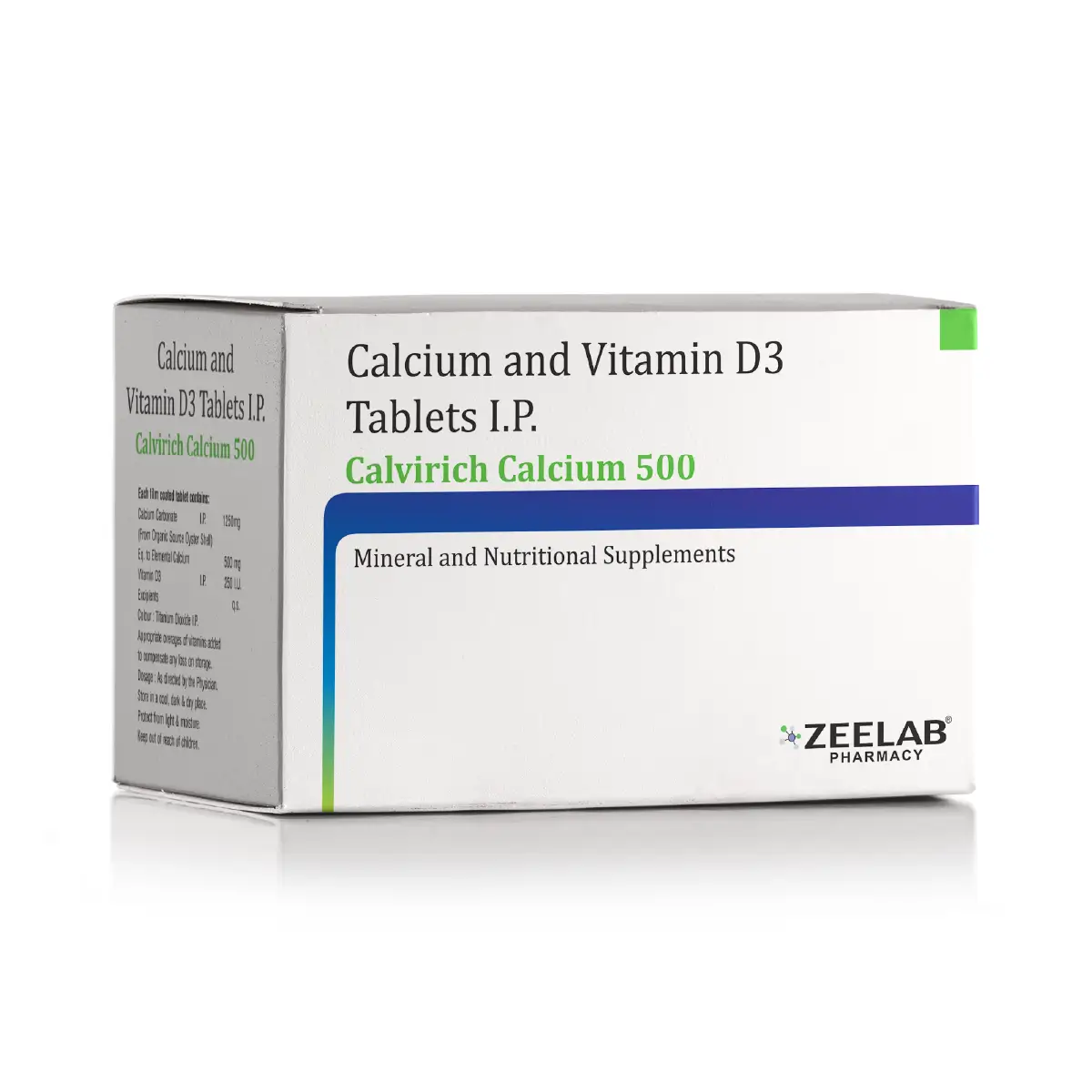
Calcium Carbonate (1250 mg equivalent to Elemental Calcium 500 mg) + Vitamin D3 (250 I.U)
15 Tablets In 1 Strip
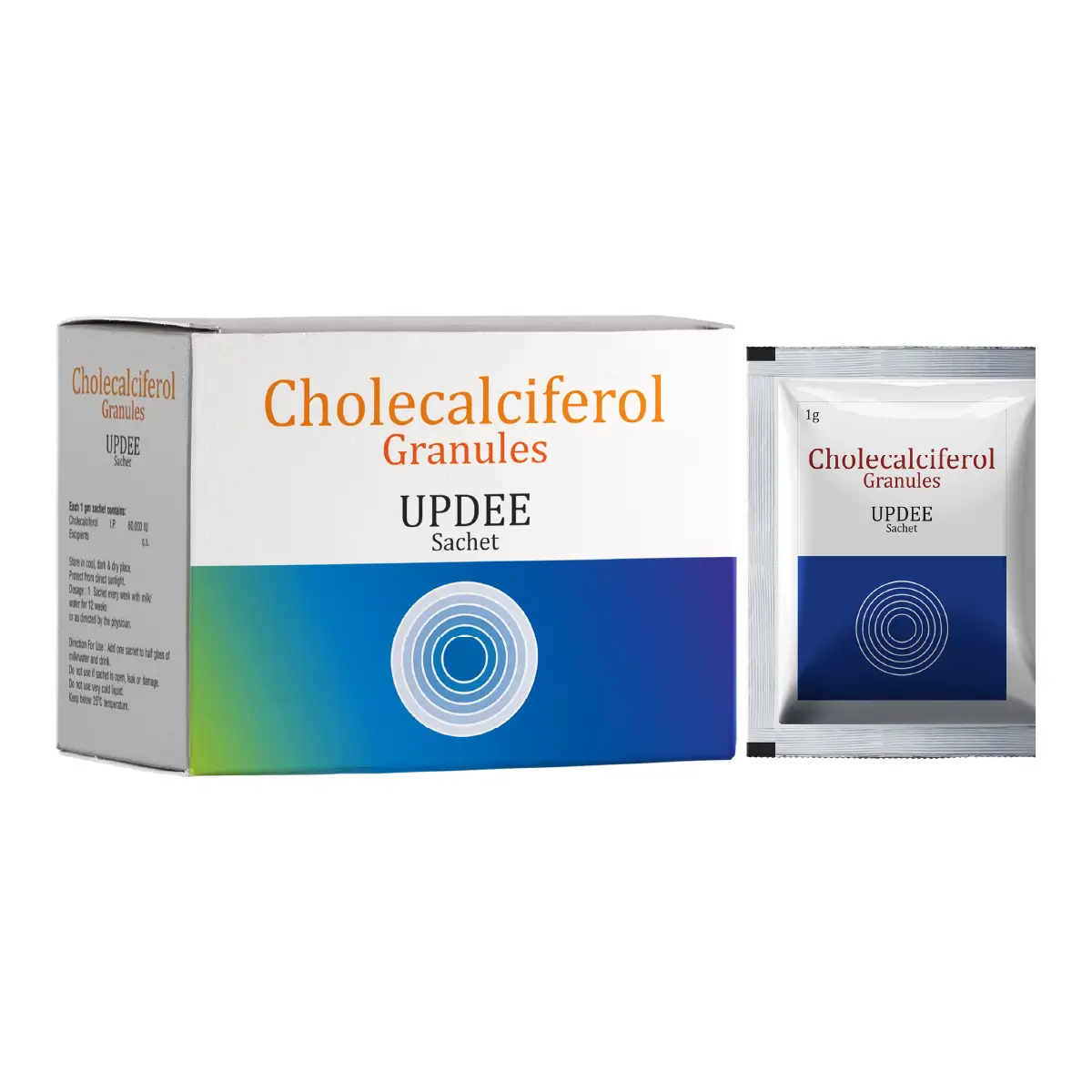
Cholecalciferol 60000 I.U
1gm In 1 Sachet

Cholecalciferol (60000IU)
4 Capsules In 1 Strip

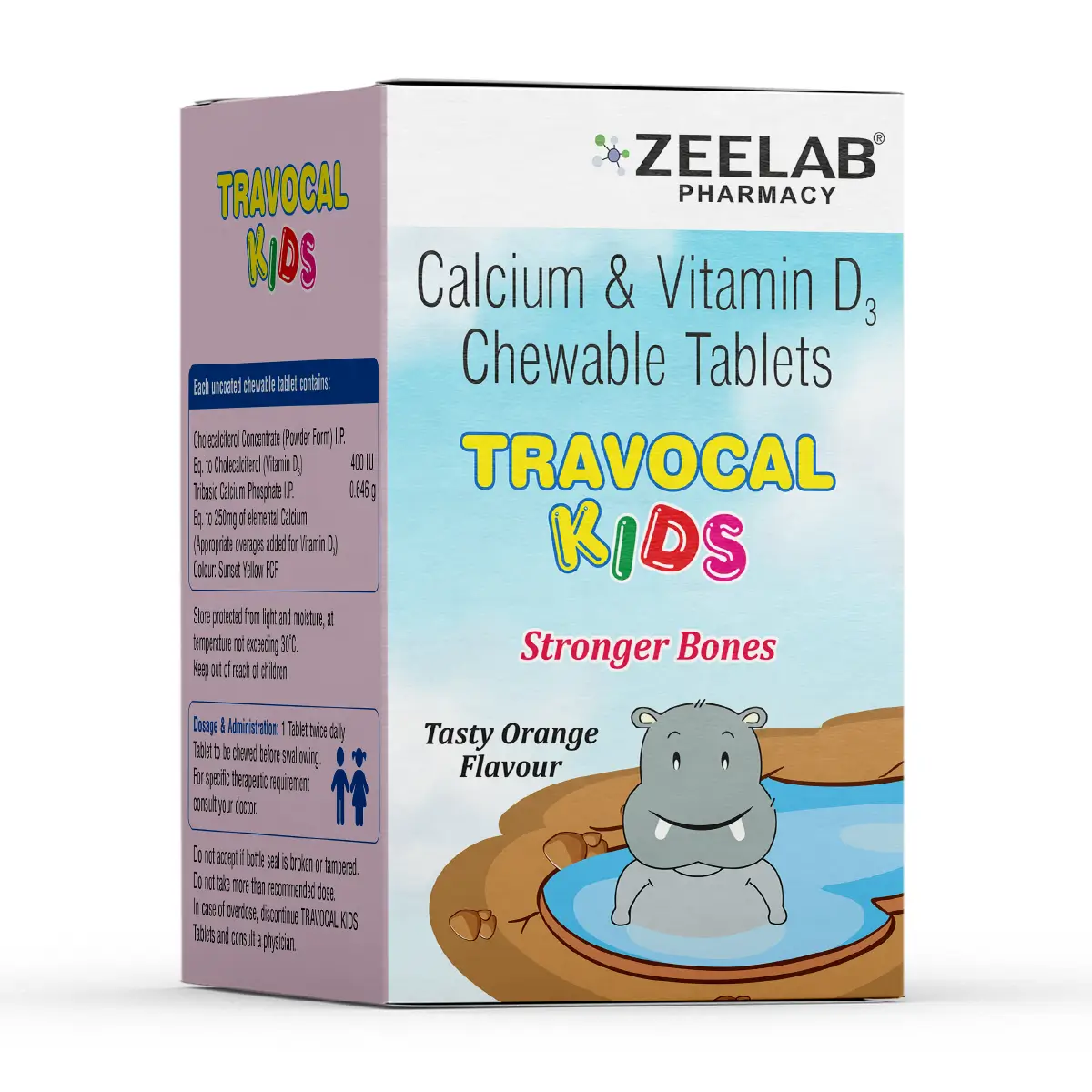
Cholecalciferol (Vitamin D3) 400 IU + Elemental Calcium (250mg)
30 Tablets Per Jar

Vitamin D3 (Cholecalciferol) 400 I.U.
15ml In 1 Bottle
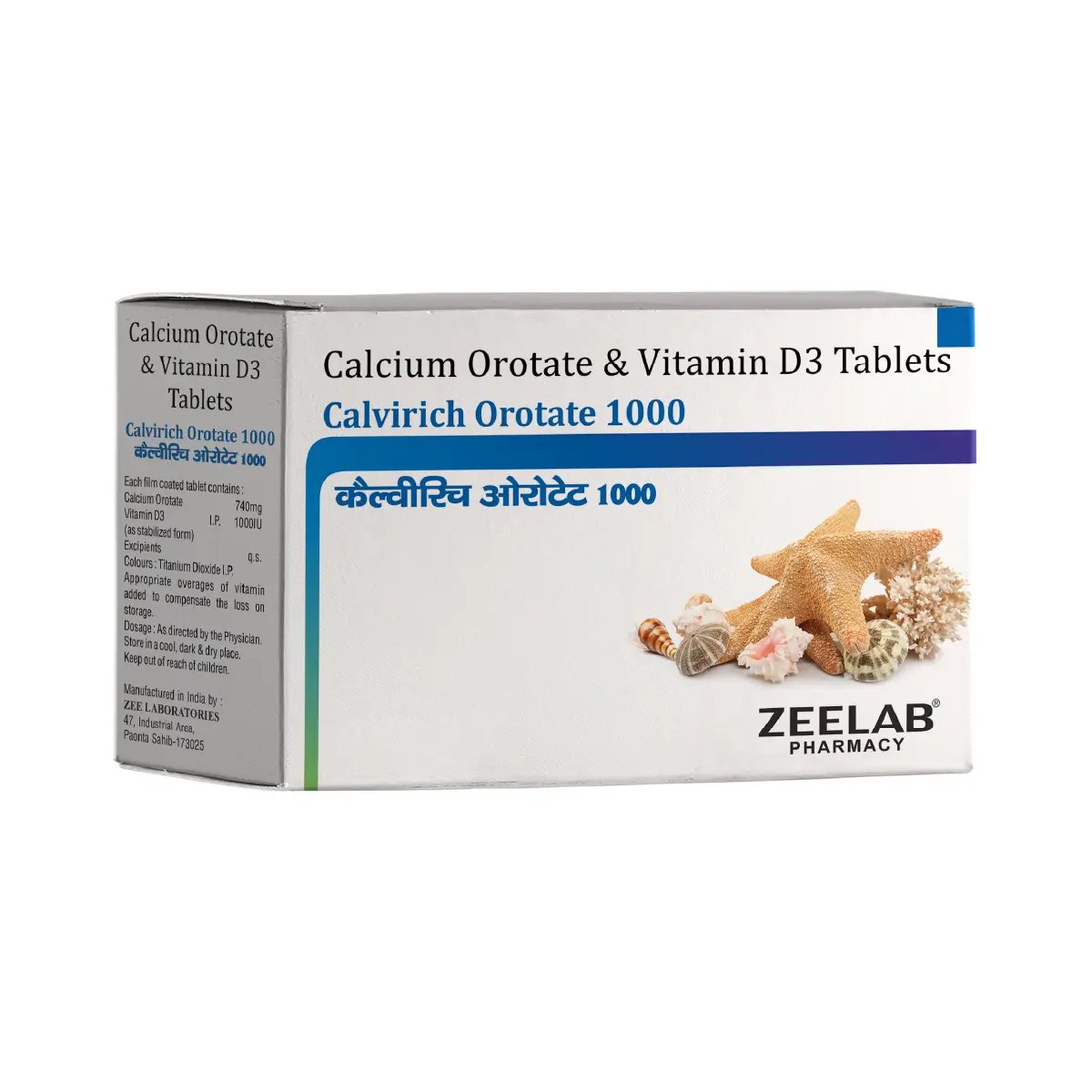
Calcium Orotate (740mg) + Vitamin D3 (1000IU)
15 Tablets In 1 Strip
Recent Blogs






Disclaimer : Zeelab Pharmacy provides health information for knowledge only. Do not self-medicate. Always consult a qualified doctor before starting, stopping, or changing any medicine or treatment.
Related Products


₹ 0
0
Items added
Quick Links
Categories
Our Policies

Our Socials


Subscribe

2026 Copyright By © Zeelab Pharmacy Private Limited. All Rights Reserved
Our Payment Partners

 Added!